To reinvent the Internet by creating community networks

Source: Rohman Obet.


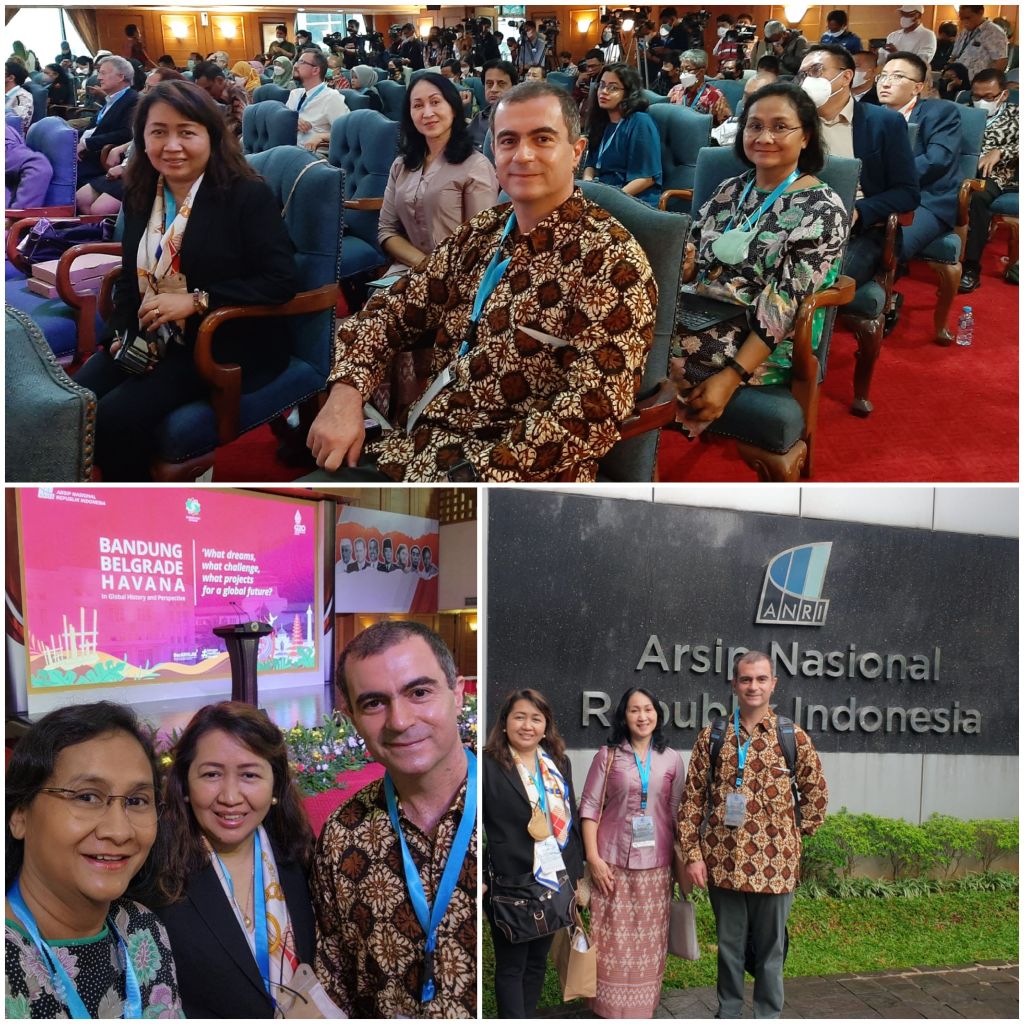
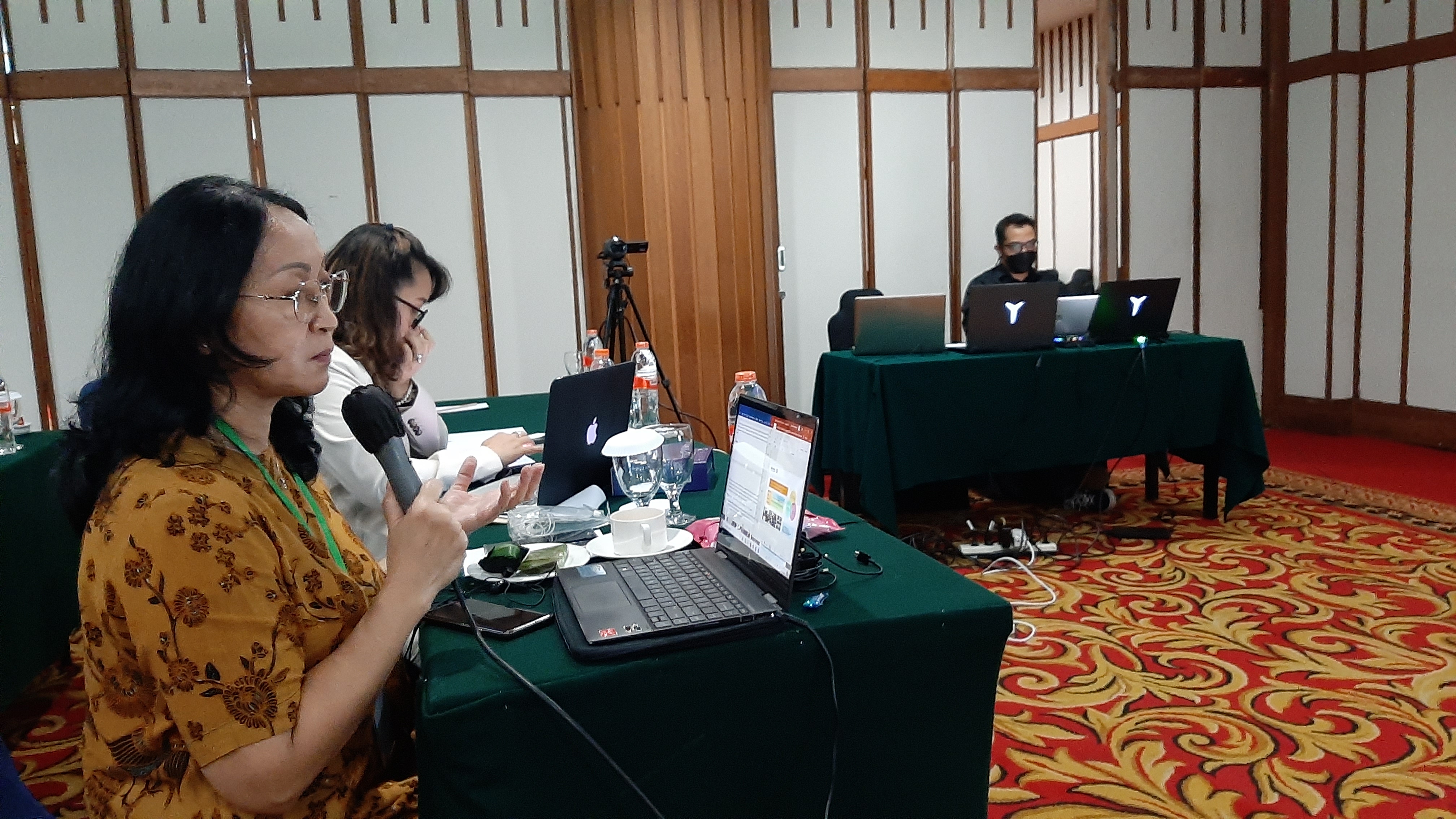
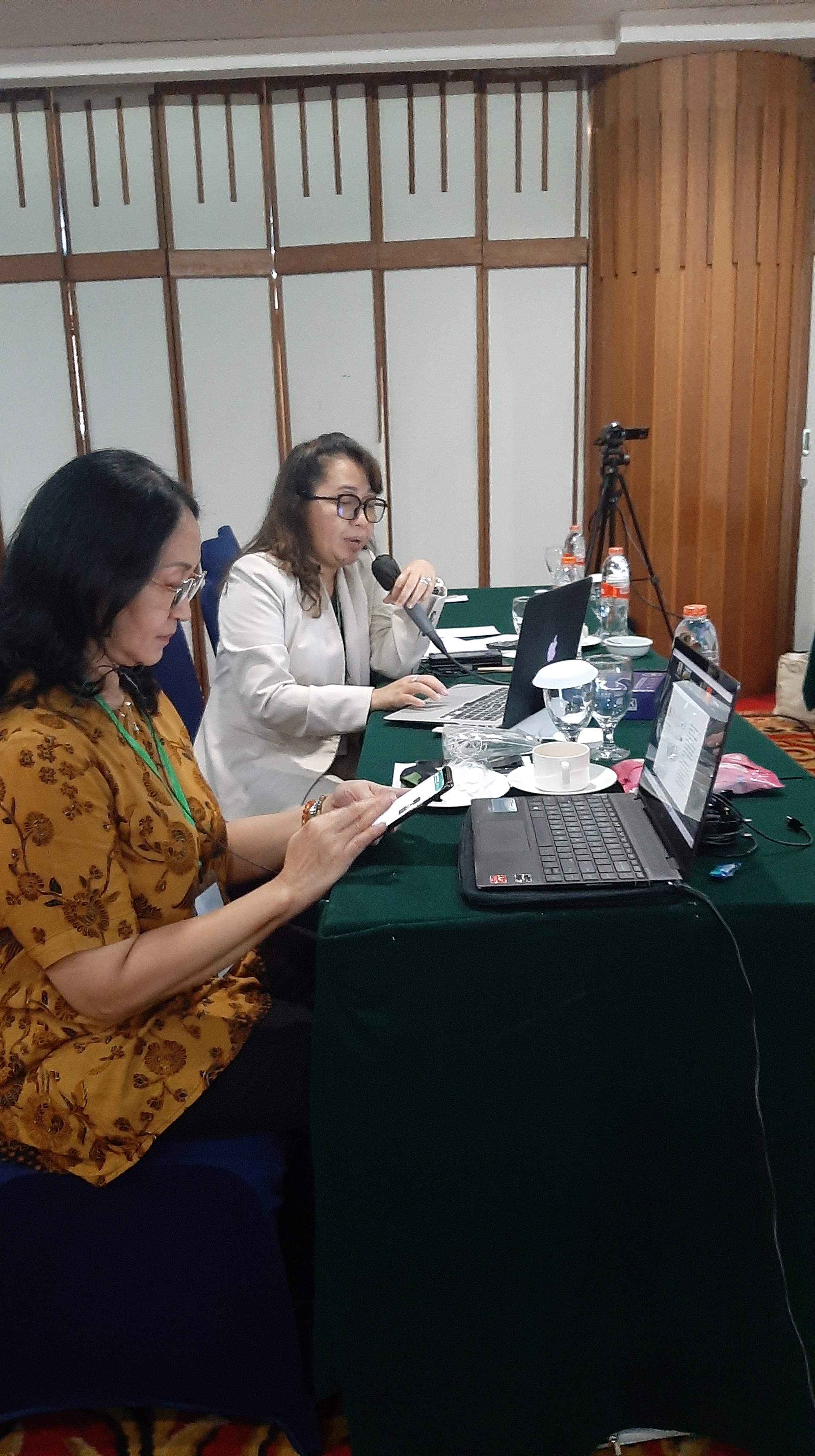
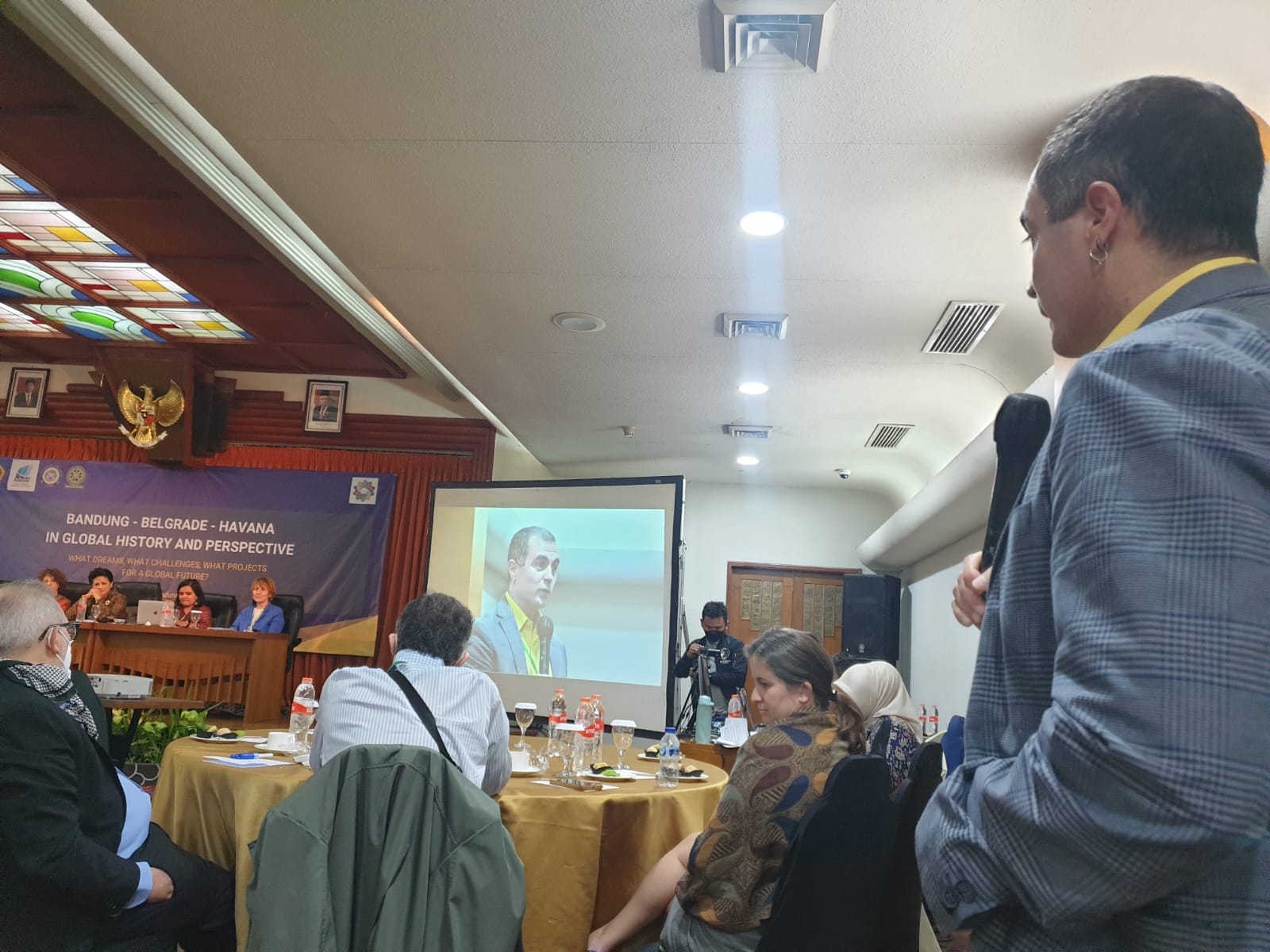
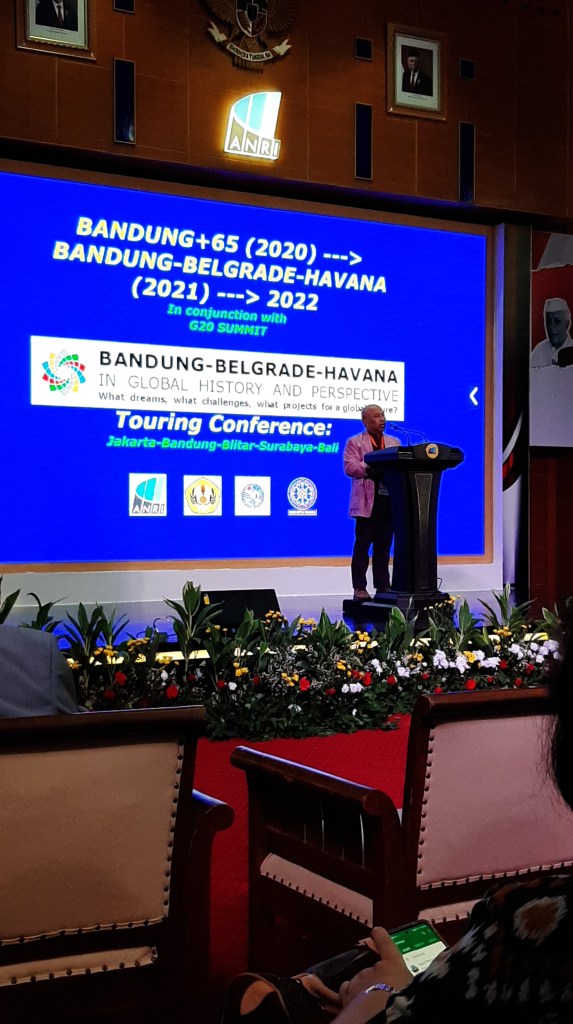
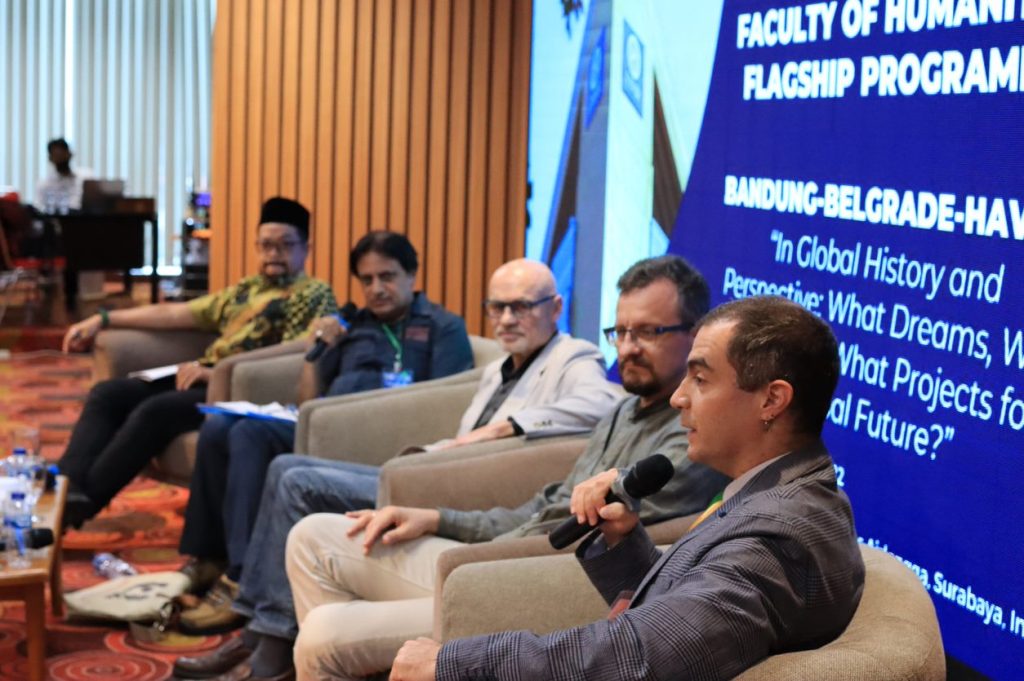
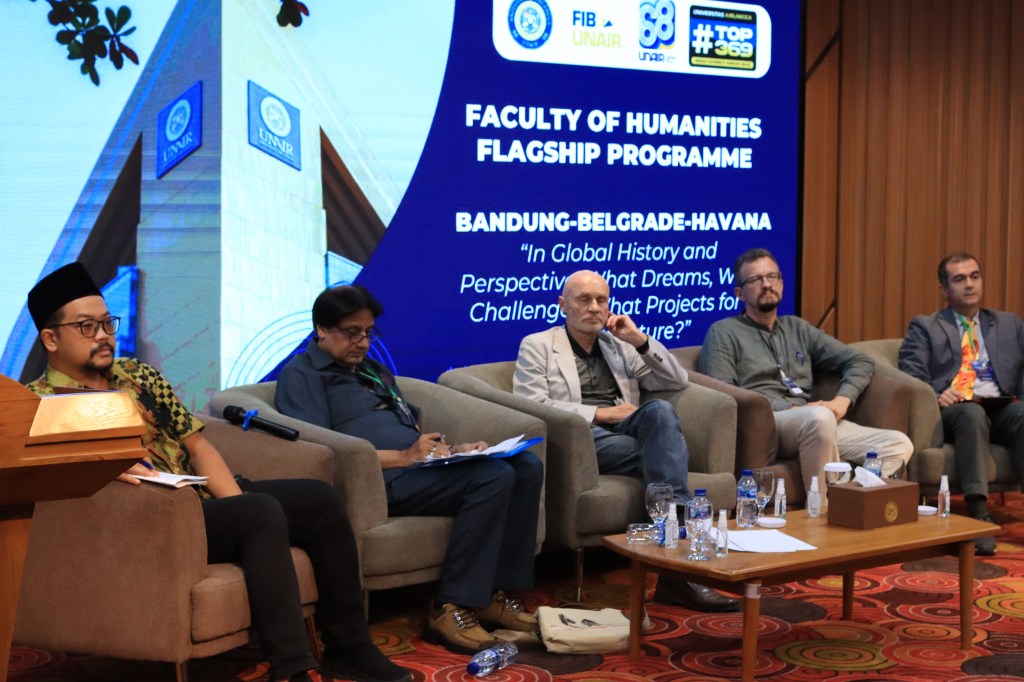
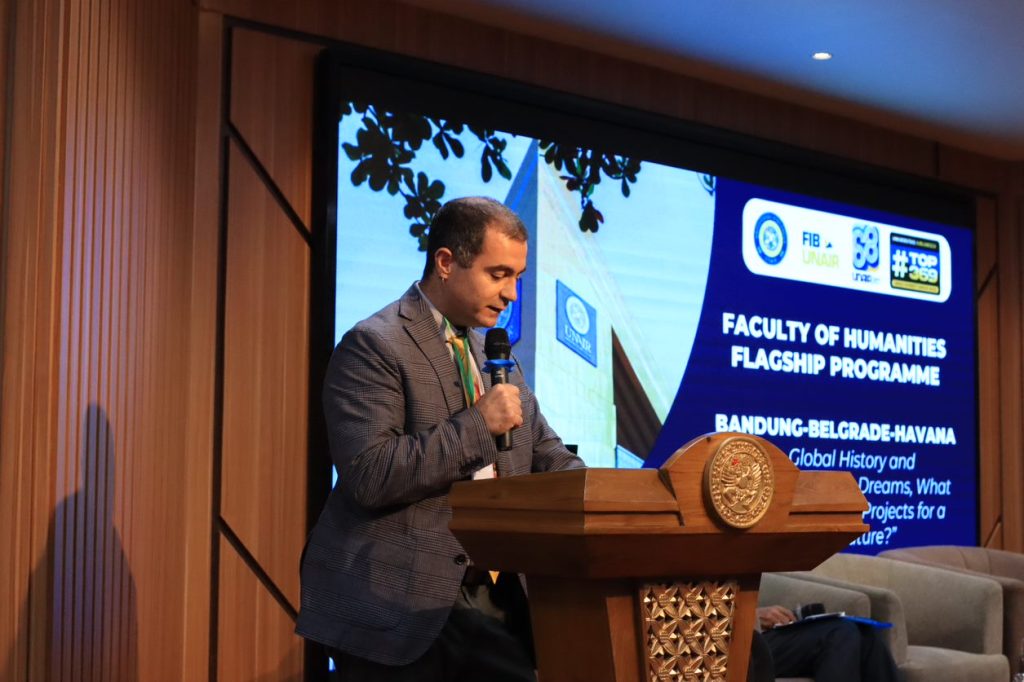
This intervention occurred in a plenary session at Bandung – Belgrade – Havana International Conference at Airlangga University in Surabaya – Indonesia, on 11 November 2022.

The title of our session, “Digital Transformation towards a New Civilization”, evokes several questions about the digital as a milieu/a civilization/a “new religion”, dare I say, and the transformations that its culture introduces in our lives. It reminds me of the French sociologist Dominique Cardon (2019), who writes in his book Culture numérique the following:
“It is important to have varied and interdisciplinary knowledge to live with agility and caution (in a new world that digital enriches, transforms and monitors) because if we fabricate digital, digital also fabricates us”.

It leads us to think about the problems of our calculation society that encompasses connections between machines and the human being in its three versions:

  • A Human-trace (Ichnos Anthropos): who is a product and a producer of traces (especially of digital traces in this context);
  • A Homo economicus (Omo Oikonomikos): the human as a market actor;
  • and a Homo politicus (Oikonomikós Anthropos): a political animal intended to live in a polis, a city.

Digital has established itself as a new culture-changing our relationship to space, politics, things and ourselves. These transformations come from the interaction between intelligent machines (computers, then artificial intelligence) and users in innumerable fields and domains. These transformations became dynamics that characterized human society, turning it into an algorithmic society driven by a computing infrastructure. In this extensive environment/system (built from multiple layers), humans and machines are set up together – where our clicks, conversations, purchases, bodies, finances, and sleep become calculable data – a “new civilization” arises. The civilization of the Internet is known as the digital era. However, the Internet is not abstract. It is an object with a body, a language based on scientific operations, that generates new entities (digital traces) that restructure our reality. Furthermore, the most important is that it has a history. Moreover, this history interests us in analyzing and understanding so that we can deconstruct and adjust this civilization process.

The history of the Internet led us to search the history of old civilizations about common elements and contradictions that help us understand the mutations we are witnessing in our present. A comparative analysis between the Internet and Phoenicia seems essential to us. What relation can we find between an information and communication network and a model of urban city-states on the Mediterranean coast that existed more than three thousand years ago?
In a brief explication that we will develop later in a presentation in another session, we can say that there are three intriguing aspects to be discussed:

  1. The Internet has a body. It started as a public-military project before being privatized. Phoenician city-states experimented with the transition from a political and economic power from the royal palaces to a mercantile class.
  2. The Internet has a universal language that allows anyone to connect and use. Phoenicians invented alphabetical writing that was accessible to all, and thanks to it, Phoenicia got its political entity.
  3. The Internet is in crisis because of the privatization process that gave private firms the right to manage their actions for profit while neglecting the rights and needs of users. Phoenicia, characterized by trade activities, could not survive as a civilization and did not become a model of democracy and citizenship.


Talking about/remembering Phoenicia from a historical point of view concerning the Internet has a linkage to memory. Memory is the process of mobilizing resources, which aims less at restitution’s exactness than regeneration (Merzeau, 2017). Sharing a memory is not limited to this often interesting production of heritage objects disconnected from all social ties. It consists less of recording, storing or preserving traces than of embedding them in a common framework — whether a place, a rite, a device or a story. In our case, it is a study/analysis for a scientific purpose. Here, saying a word about memory in the digital context is essential.

Louise Merzeau, a French Professor and researcher from Paris 10 University who left us in 2017, and I had the honour to work with her for several years, demonstrates that the digital culture has introduced an anthropological mutation concerning memory. She writes that until the advent of the digital (le numérique), the fight against oblivion required an actual deployment of energy, tools and technological innovations. In other words, investing in archiving, preserving and building memories is needed digitally. It has introduced a break, even a reversal of this process: communication, production, registration and sharing systems via networks or digital media have generated automatic traceability, a condition of our activities and, therefore, before any real intention to “make a trace”. Today all efforts, technological means, knowledge and policies must no longer be used to memorize in traditional ways but to regulate oblivion, as the Internet is a kind of auto-memory, which is, in reality, an anti-memory. So the individual or the community decides what it wishes to transmit or, on the contrary, to erase. Moreover, as there is no memory without a thought of oblivion, it is therefore imperative to rethink oblivion collectively to regulate it and structure it so that it makes sense.


However, the Internet privatized does not give an option to its users to do that. That is why, getting back to our comparative analysis between the Internet and Phoenicia, we back the emergence of two proposals, one concerns the upper level of the Internet (what to do on the platforms), and the other is related to the lower level of the Network:

  1. As digital writing is exhibiting new traces while pushing back others to be forgotten, the first suggestion is to transform our interaction in the digital into participation by developing individual or collective digital cultural memories. Our digital traces are removed from their contexts and scattered in the networks. They are alimenting the Big Data and used by private firms to make money. When we appropriate these traces in memory projects, they become commons, a part of a heritage policy that raises issues of knowledge. In this direction, we ensure a transition in the status of the digital user, from homo econimicus to homo politicus, from a market actor to a citizen/netizen (digital citizen) who has control over decisions with self-determination in the digital environment as well as in the social life.
  2. The second proposal seeks the basement of the Internet. Let us not forget that the Internet is first made of pipes. Everything we do up the stack depends on these pipes working correctly. What if users and communities manage to hijack the privatization of the pipes and the monopoly of the Telecom companies and start creating their networks with the support of Public institutions with technical expertise and infrastructure? The purpose is to establish an Internet managed by community networks, an Internet that “places people over the profit”, as Ben Tarnoff (2022) says. In his Book Internet for the People: The Fight for Our Digital Future, Tarnoff writes, “The internet is not just material and historical, then; it is also political”. In this sense, our proposal is political, can bring people into new relationships of trust and solidarity, and encourages caring for collective infrastructure and one another.

Thank you.
BBH2022 Round Table on Digital and Inclusive City

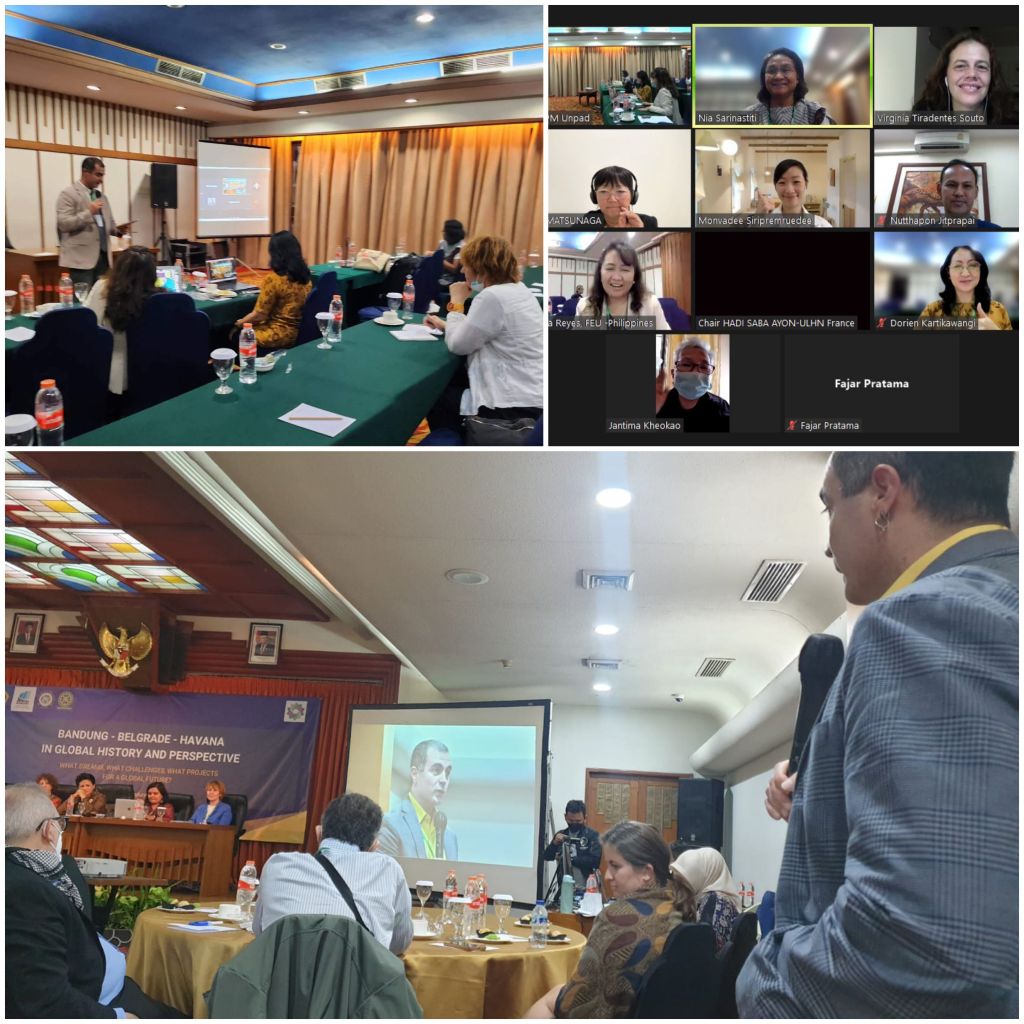
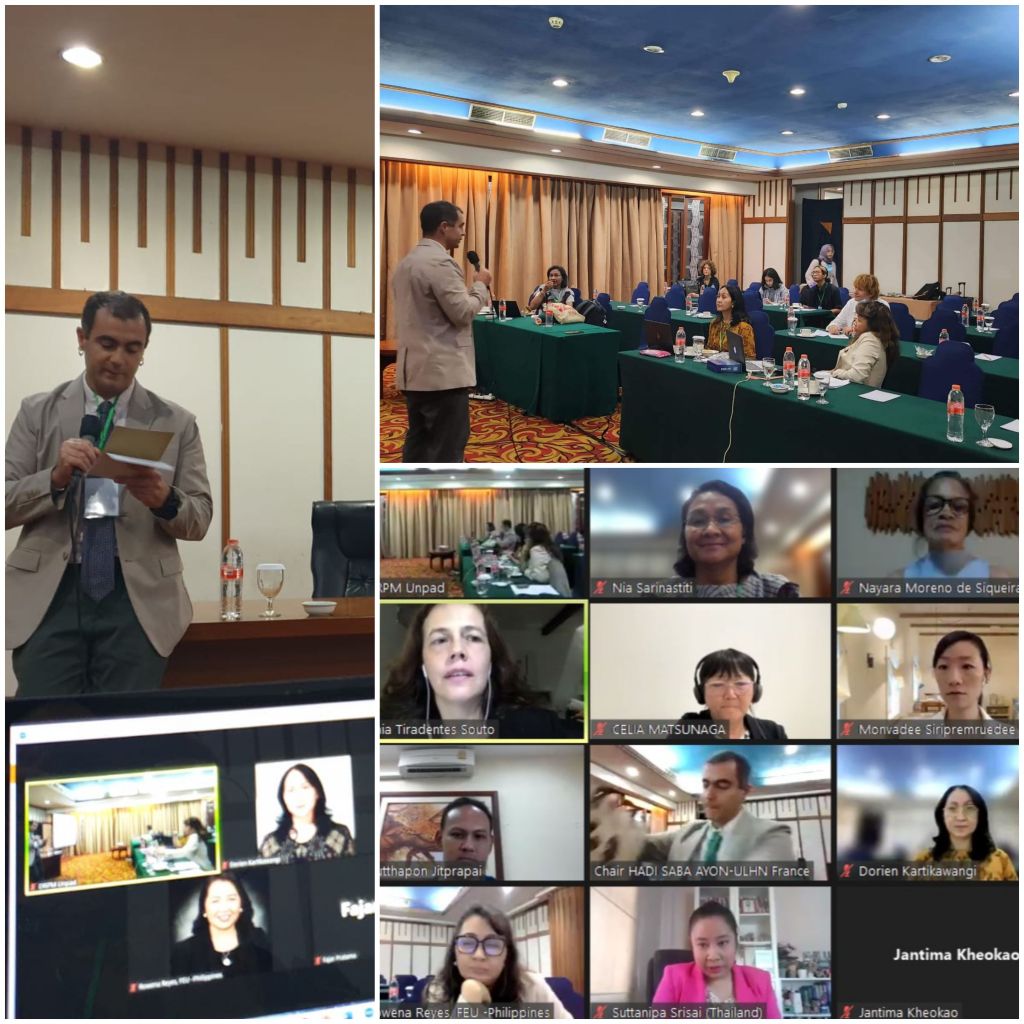
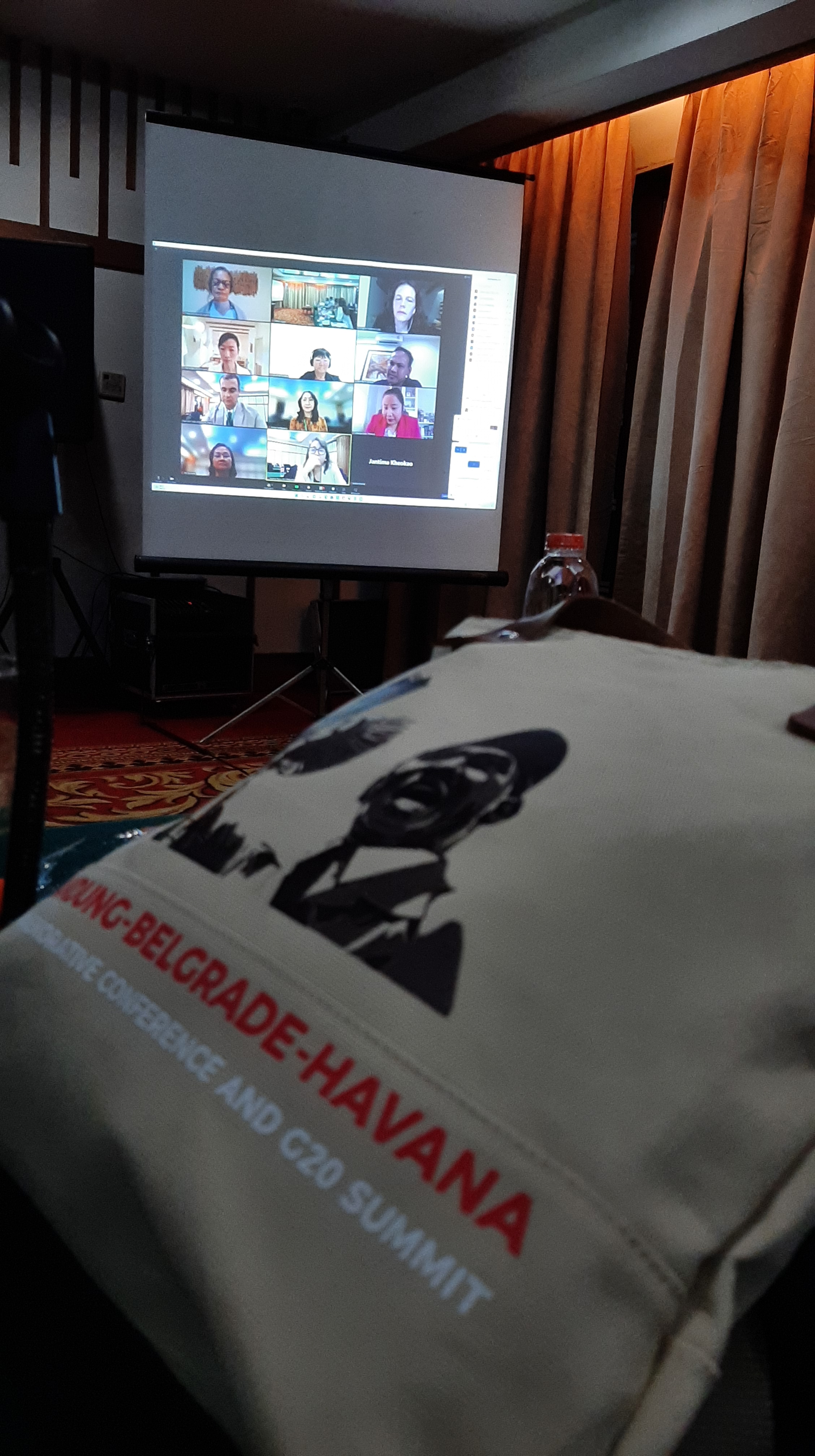
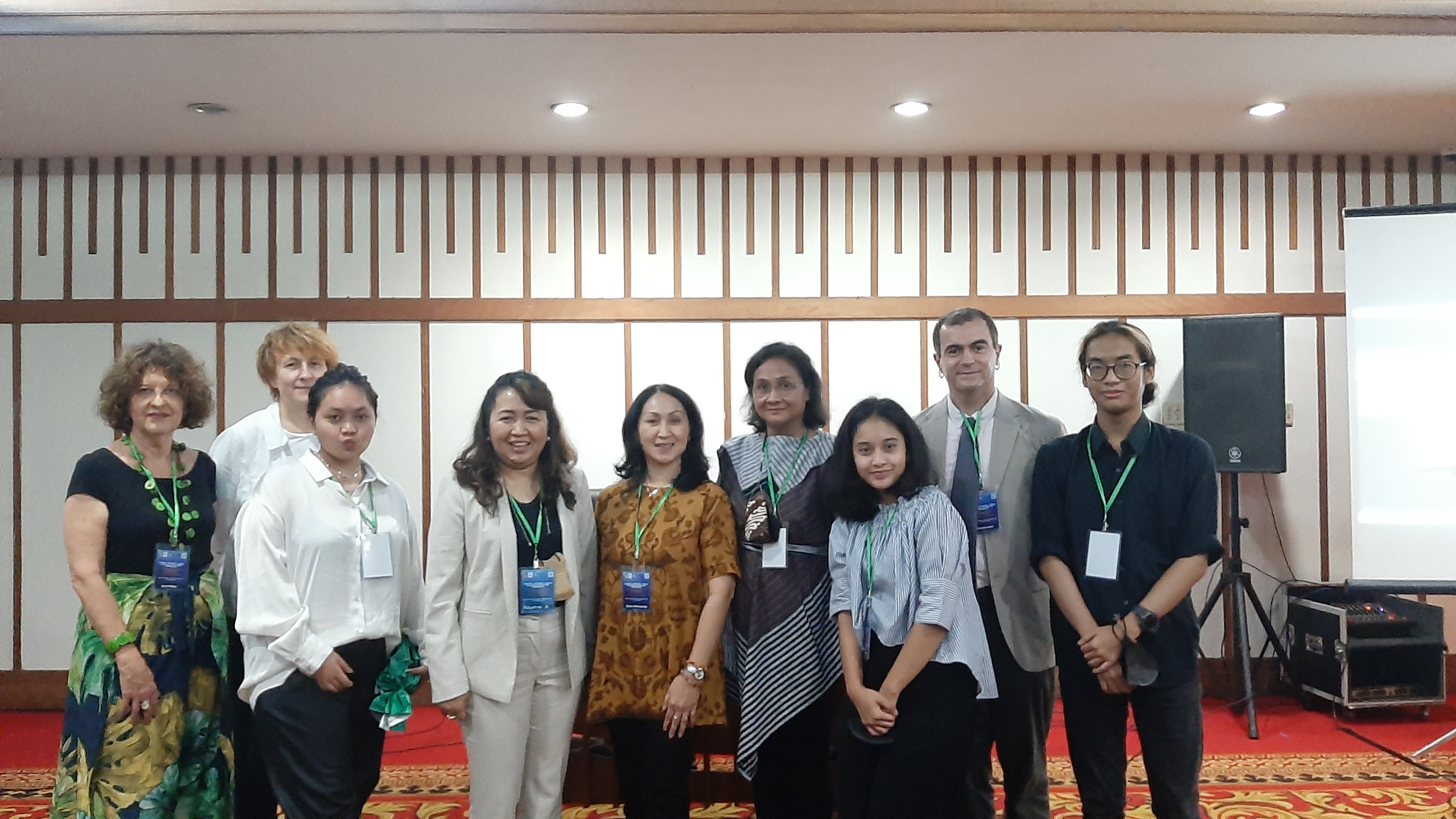
How do we go beyond an inclusive digital city?” is the title of a round table session presented at the Bandung-Belgrade-Havana International Conference in Bandung (Indonesia) on November 09, 2022. It is a group work on digital culture and the city developed by scholars from different institutions and fields from France, Brazil, Indonesia, the Philippines and Thailand. The work presented multicultural aspects of city thought in its digital forms and inclusive models and conditions.

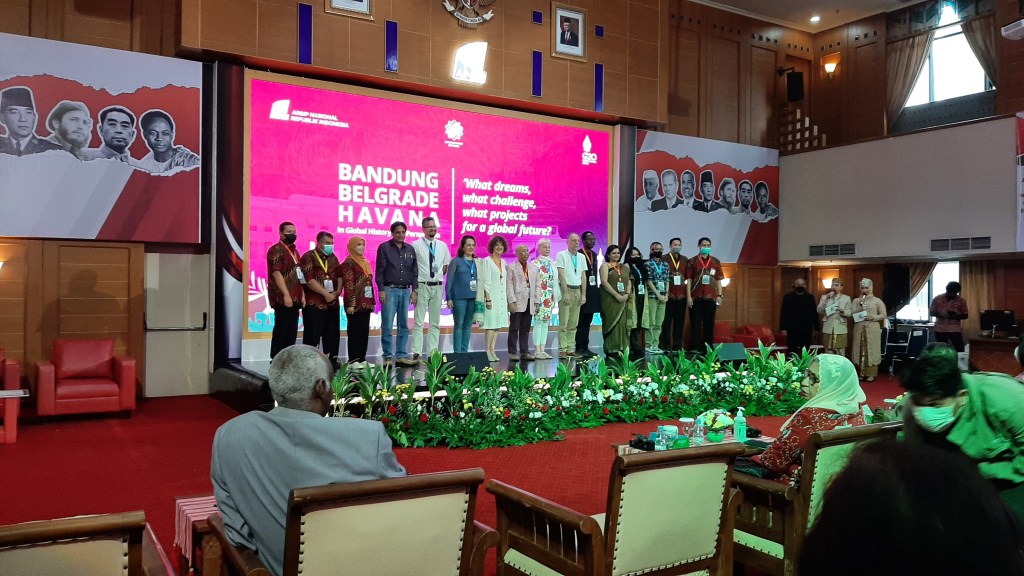
The International Conference was organized by colleagues from the GRIC research laboratory at Le Havre Normandy University, the National Archives of the Republic of Indonesia, Universitas Padjadjaran Bandung, Universitas Airlangga Surabaya and Universitas Udayana Bali, with the participation of hundreds of scholars from 54 countries, from 07 to November 14, 2022, in Indonesia. It has Patronage Board, Honorary Board and Scientific Board; and three committees: International Organising Committee, National Organising Committee (Indonesia) and Local Organising Committee (Jakarta, Bandung, Surabaya and Bali).

The authors of the collective round table were Dorien Kartikawangi (1), Nia Sarinastiti (2), Rowena Capulong Reyes (3), Jantima Kheokao (4), Monvadee Siripremruedee (5) Célia Matsunaga (6), Nayara Moreno (7), Virginia Tiradentes (8), and Hadi Saba Ayon (9).

Digital has taken over the city, thanks to its network of infrastructures, dematerialized services (e-administration, e-commerce), and of course, uses that strongly redraw the way of living today. How does the digital culture modify the structure of the city, its space, and its living forms? How to inhabit the physical and digital environments of the city? The city does not have one definition or model. However, it has one common characteristic: gathering people in a specific place with a central authority. In his essay Two linguistic models of the city (Deux modèles linguistiques de la cité), Emile Beneviste (1974) exploits an opposition between the Roman and Greek versions of the city. In Latin, the word “civis” indicates a relationship of reciprocity and interdependence between two individuals or groups. Its correct translation is not “citizen” but “fellow citizen”.
In Greek, the word “polis” defines citizens and citizenship. “Polis” specifies the rules of membership, the rights of participation in the city’s activity, and what results from it: the responsibility and privileges linked to citizenship. The differentiation between the two words, the two models, draws limits between full participation in the city and a confident presence.
What about the citizens and their participation in the digital city? How to include those who do not belong to the city, transformed continuously by digital technology and reshaped in its space, architecture and role? Milad Doueihi wrote about a “new virtual urbanism” (2011) that has become our refuge and the space for our activities. It has its architecture, aesthetics, values, literature and agents. According to him, it constitutes hybrid urbanism inhabited by traces, documents, and fragments but also animated by the voice and the body, by a different temporality, or a new culture. According to Philippe Vidal (2018), digital technology creates territorial differentiation (between spaces) and social differentiation within the same space, for example, within the same city. The city’s digitalization increases the possibilities for making society more inclusive, but the “smart city” generates many obstacles and risks of exclusion for diverse individuals and populations.

The round table, divided into two sessions, questioned how digital technology’s social and cultural uses redefine everyday life’s diverse practices. It brought two topics from Indonesia: the first addresses the need for social participation in sustainable, inclusive cities. It discusses three main interrelated: city and differences, sustainable city, and inclusive city. It talked about how digital technology creates connectivity and transforms services and culture.

The second topic questioned how can business become inclusive in the digital era and highlighted inclusive services design at the heart of a government’s mission that can help tackle complex issues and build trust with customers/citizens more effectively. It talked about inclusiveness, connecting the city with business. In addition, when an innovation mindset is six times higher in the “most-equal” cultures – workplace environments, it helps everyone attain higher positions – compared to the “least-equal”.

Another topic from the Philippines presented Manila as a smart city and discussed the digital social participation of its inhabitants. It talked about the city of Manila on Facebook, showing how users/inhabitants engage with the city and its information. It gave an example using data from October 25 to 31, 2022, showing that Tourism, Culture and Arts are the highest engagements, followed by Disaster and Risk Services. It pointed out that good governance in a digital space is also brought to the fore. It concluded with a C.I.T.Y proposal to achieve the full potential of a highly engaged digital city based on developing Consistency, Inclusivity, Training and Yield.

From Brazil, three presentations evoked the city’s artistic, commercial and educational aspects. The first deals with structuring the Brazilian handicraft management system and comprises diagnosis and strategic planning. One of the several aspects raised in this work is the need to increase the insertion and use of digital technology in the feasibility of formalizing and training artisans and marketing via e-commerce of the artefacts they produce.

The second discusses a unified virtual space for art and crafts exhibitions. It suggests a mobile application where artisans and artists can promote their work and get in touch with customers.

Moreover, as the city in the Amazon region can take the form of villages inhabited by indigenous communities, the third topic seeks to evaluate the process of indigenous Education, considering the use of technological devices. It discusses implementing an indigenous virtual library model that will assist elementary and high school students based on crafts productions of the Munduruku of Bragança indigenous group.
Furthermore, a final presentation from Thailand brought to the debate a special touch: Discussing the city from the point of view of colours and talking about the Thai colour scheme that connotes Thai identity in packaging design for brand communication.

The Bandung-Belgrade-Havana International Conference is a part of the Bandung Spirit Conference Series, community-based conferences organised around the Bandung Spirit Ideals. It is conceived as a shared space based on a common concern on global issues among international scholars, activists of social movements, academic institutions and public services inspired by the Bandung Spirit. It is a collective work to formulate recommendations to be submitted to world political leaders. In addition to sharing academic works, speakers and participants are supposed to participate in elaborating the recommendations.

  • 1) School of Communication, Atma Jaya Catholic University of Indonesia.
  • 2) School of Communication, Atma Jaya Catholic University of Indonesia.
  • 3) Institute of Arts and Science, Far Eastern University, the Philippines.
  • 4) Department of Communication Arts, University of the Thai Chamber of Commerce, Thailand.
  • 5) Monvadee Siripremruedee
  • 6) Faculty of Communication, University of Brasilia, Brazil.
  • 7) Department of Design, University of Brasilia, Brazil.
  • 8) Department of Design, University of Brasilia, Brazil.
  • 9) UMR 6266 CNRS IDÉES, Le Havre Normandy University, France.
  • Presentations from Indonesia, the Philippines, Brazil and Thailand on the digital and inclusive city at the BBH 2022 International Conference in Bandung-Indonesia.
  • In the plenary session of the BBH 2022 International Conference in Bandung: “NEFOS IS BACK!” (BRICS, NAM AND OTHER EMERGING FORCES IN A GLOBAL RESTRUCTURING”.
  • With Beatriz Bissio (Federal University of Rio de Janeiro), Marina Shilina (the Plekhanov Russian University of Economics in Moscow), Azzah Kania Budianto and Sayf Muhammad Alaydrus (Universitas Airlangga in Surabaya and Secretariat of BBH International Conference), Rowena Capulong Reyes (FEU-Manila), Dorien Kartikawangi and Nia Sarinastiti (Atma Jaya-Jakarta)
    Rania Nuralfath (Universitas Padjadjaran in Bandung and Secretariat of BBH International Conference).

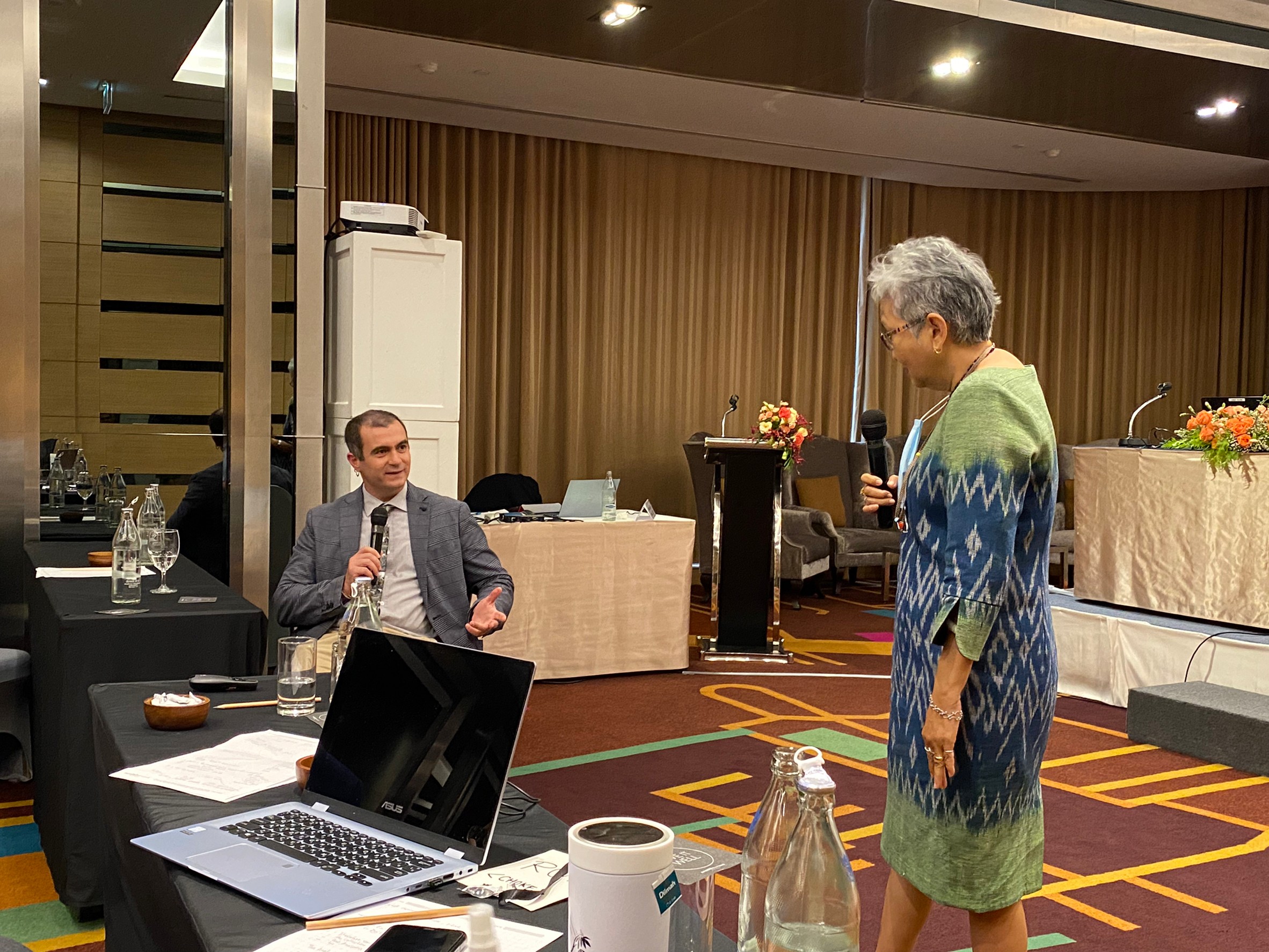
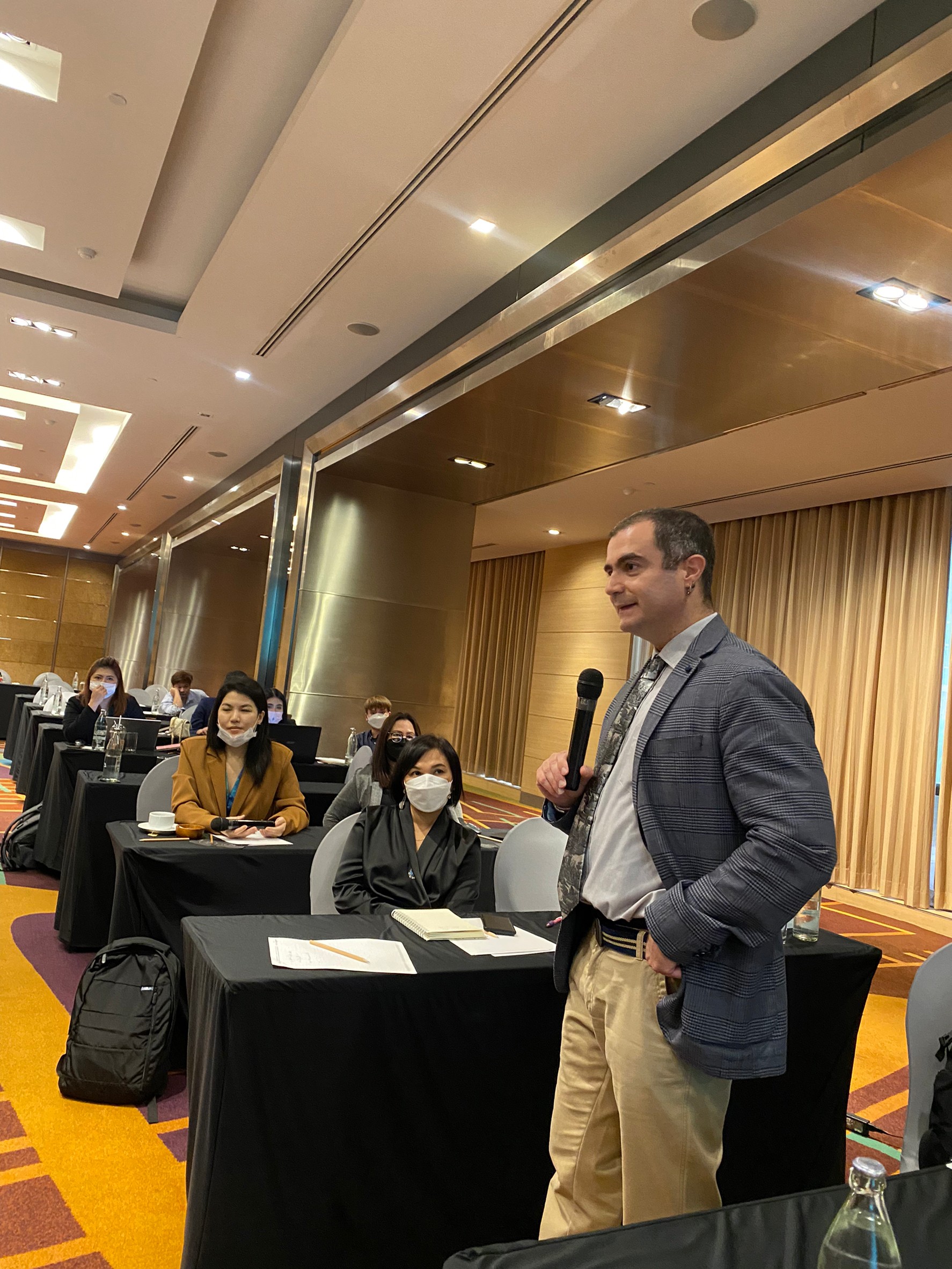
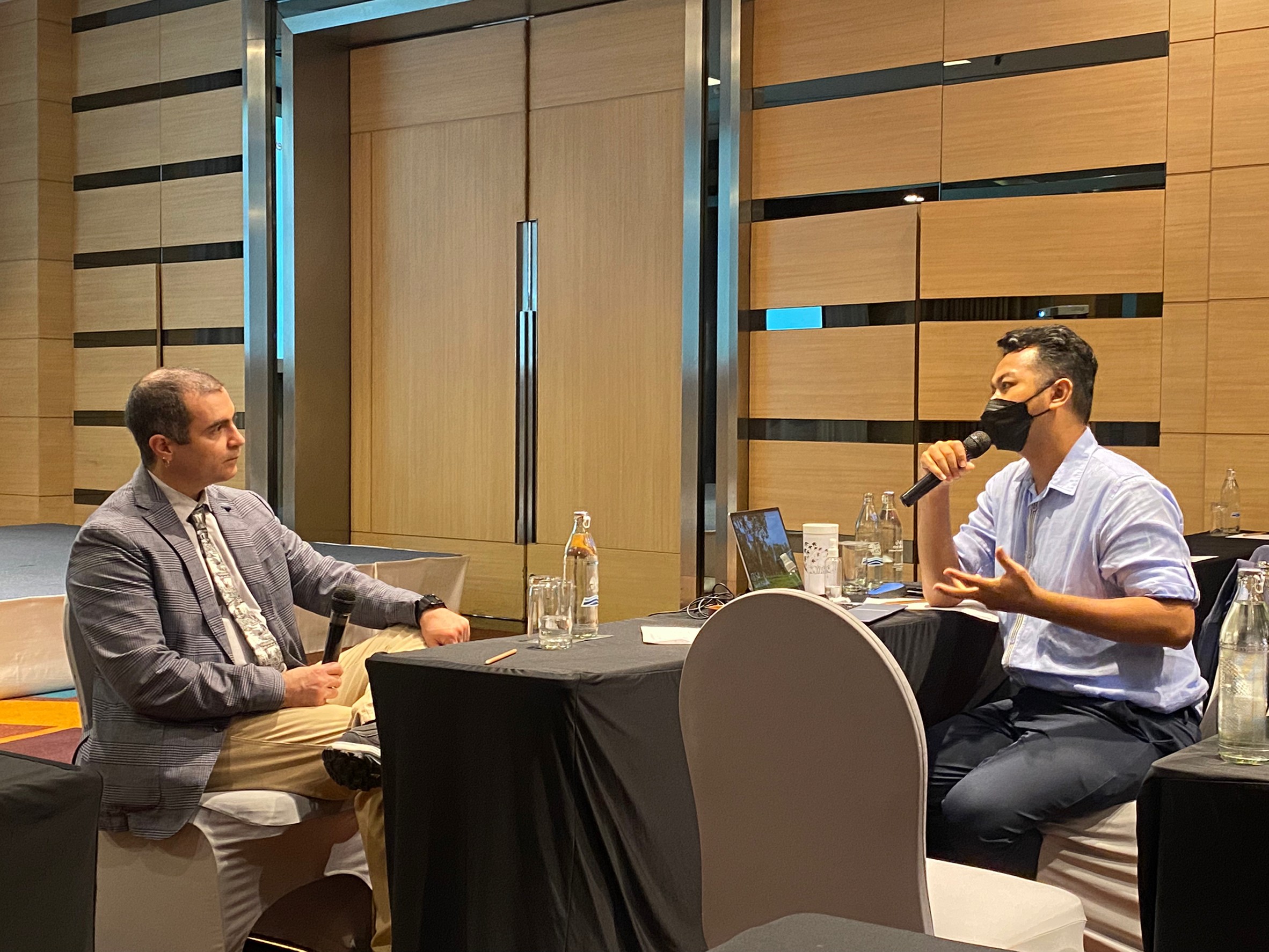
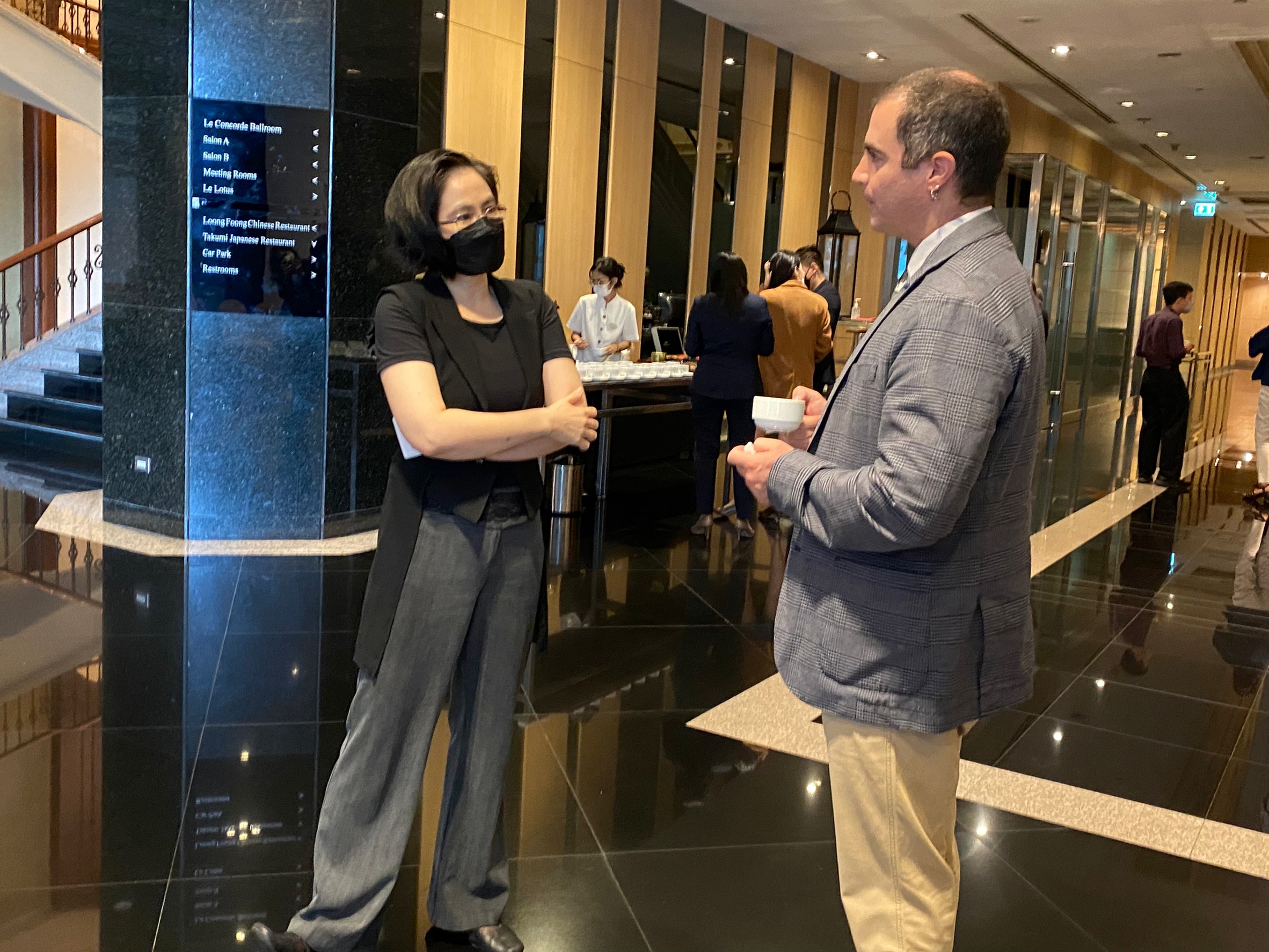
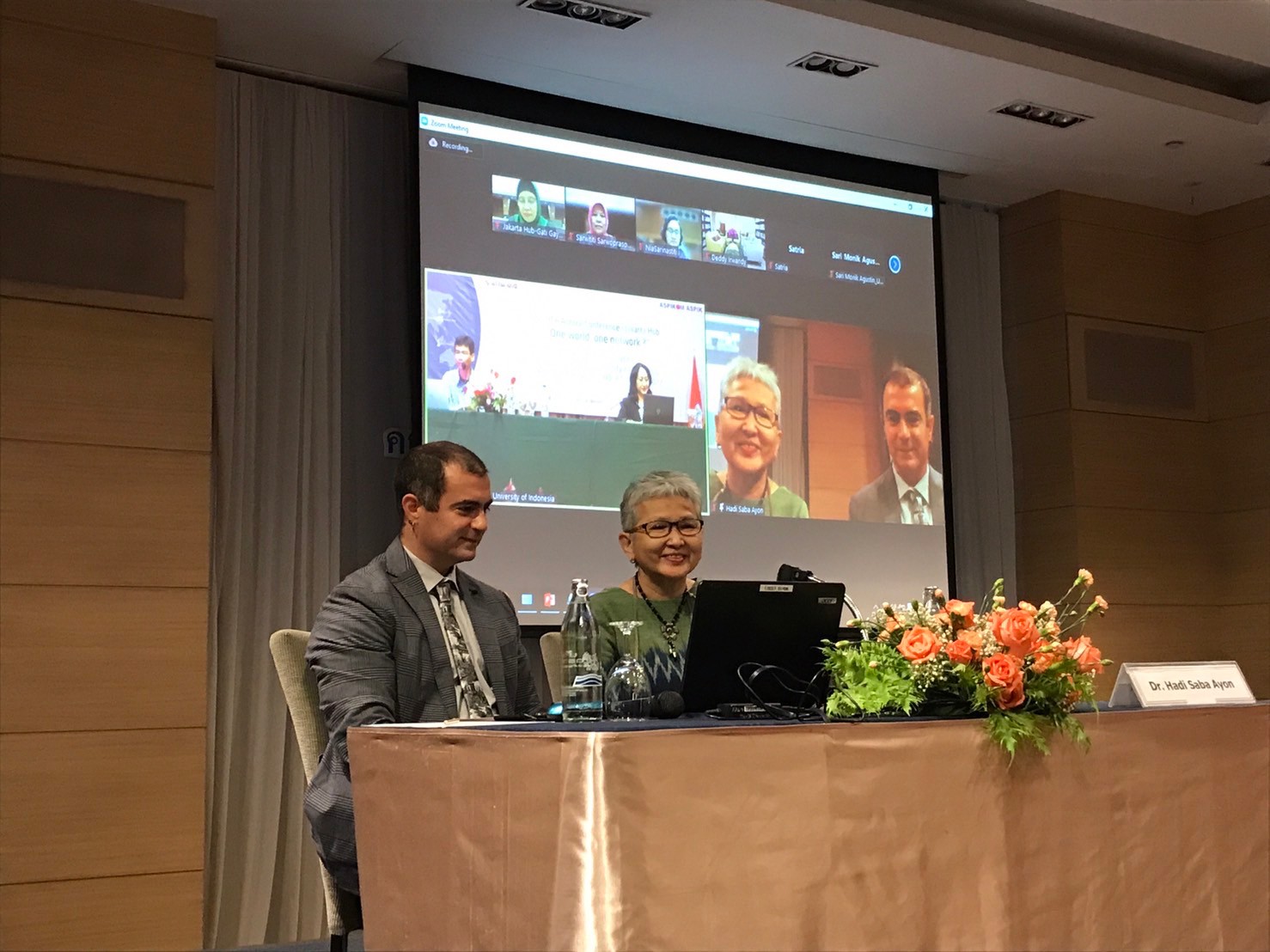
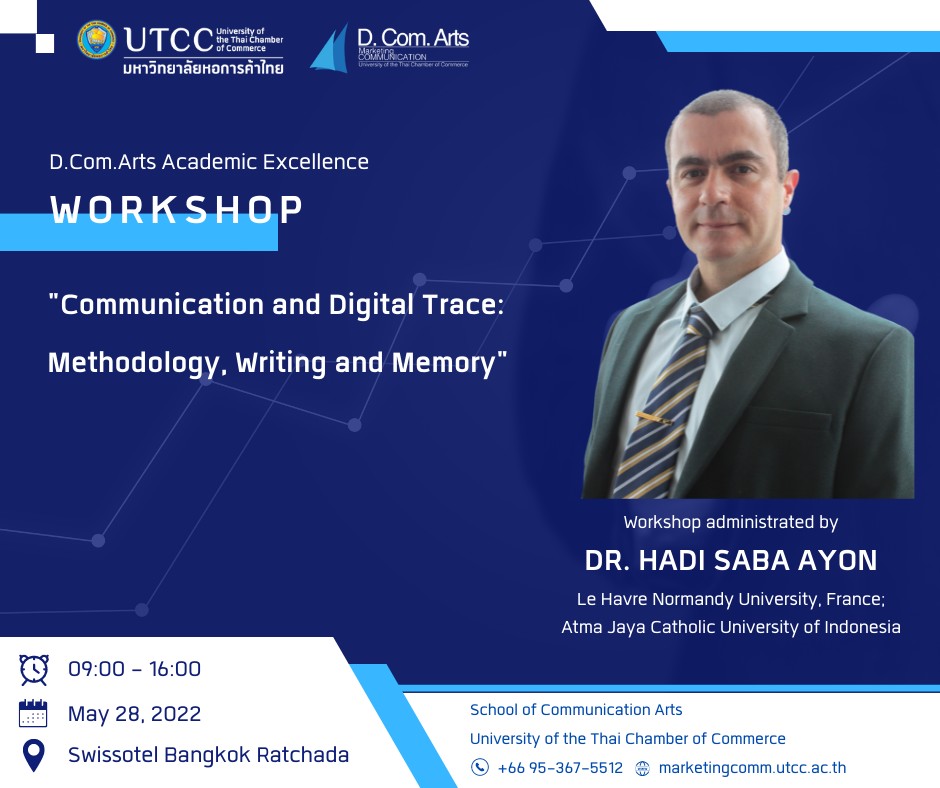
Communication and digital trace workshop at UTCC-Bangkok

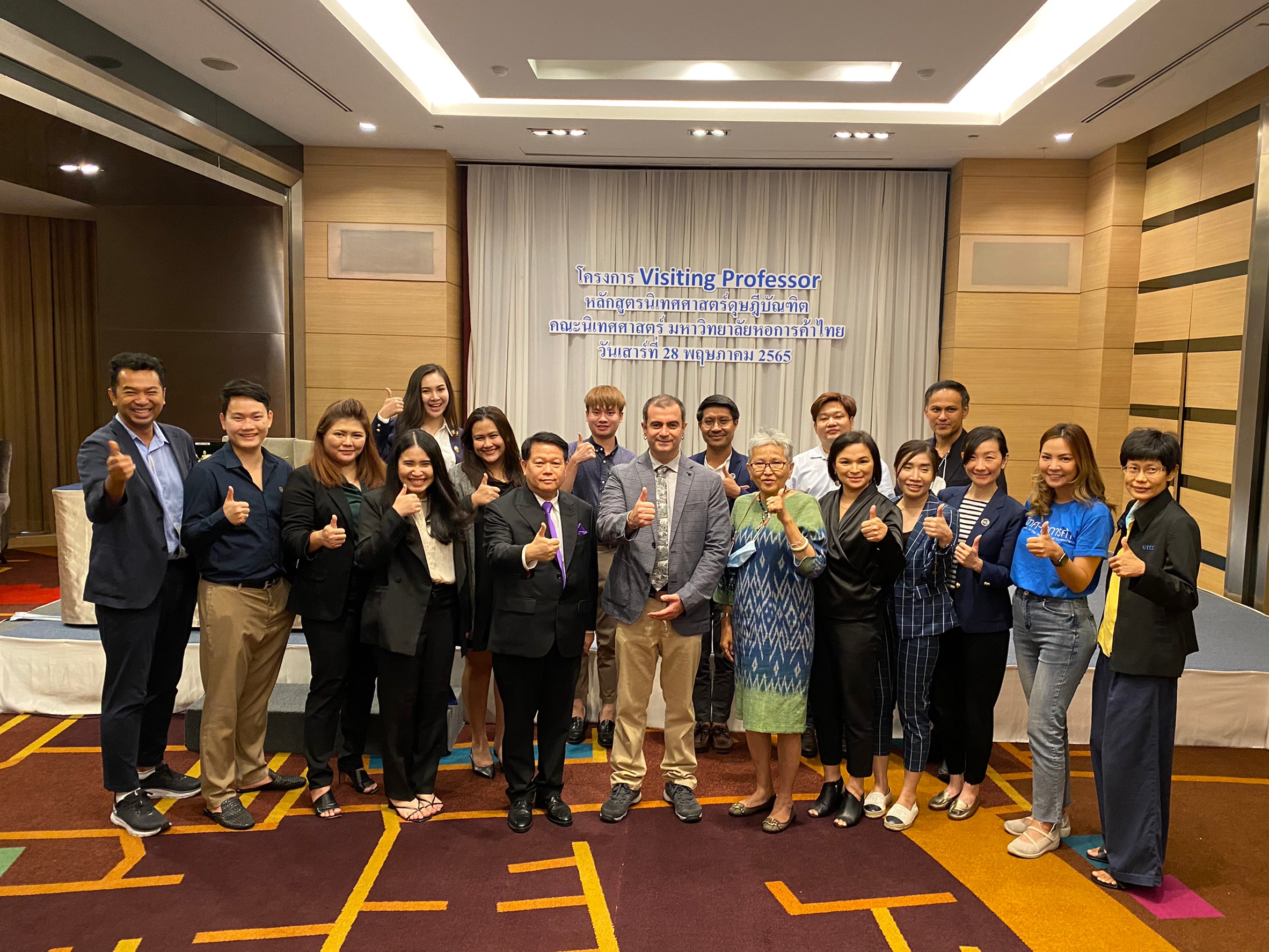
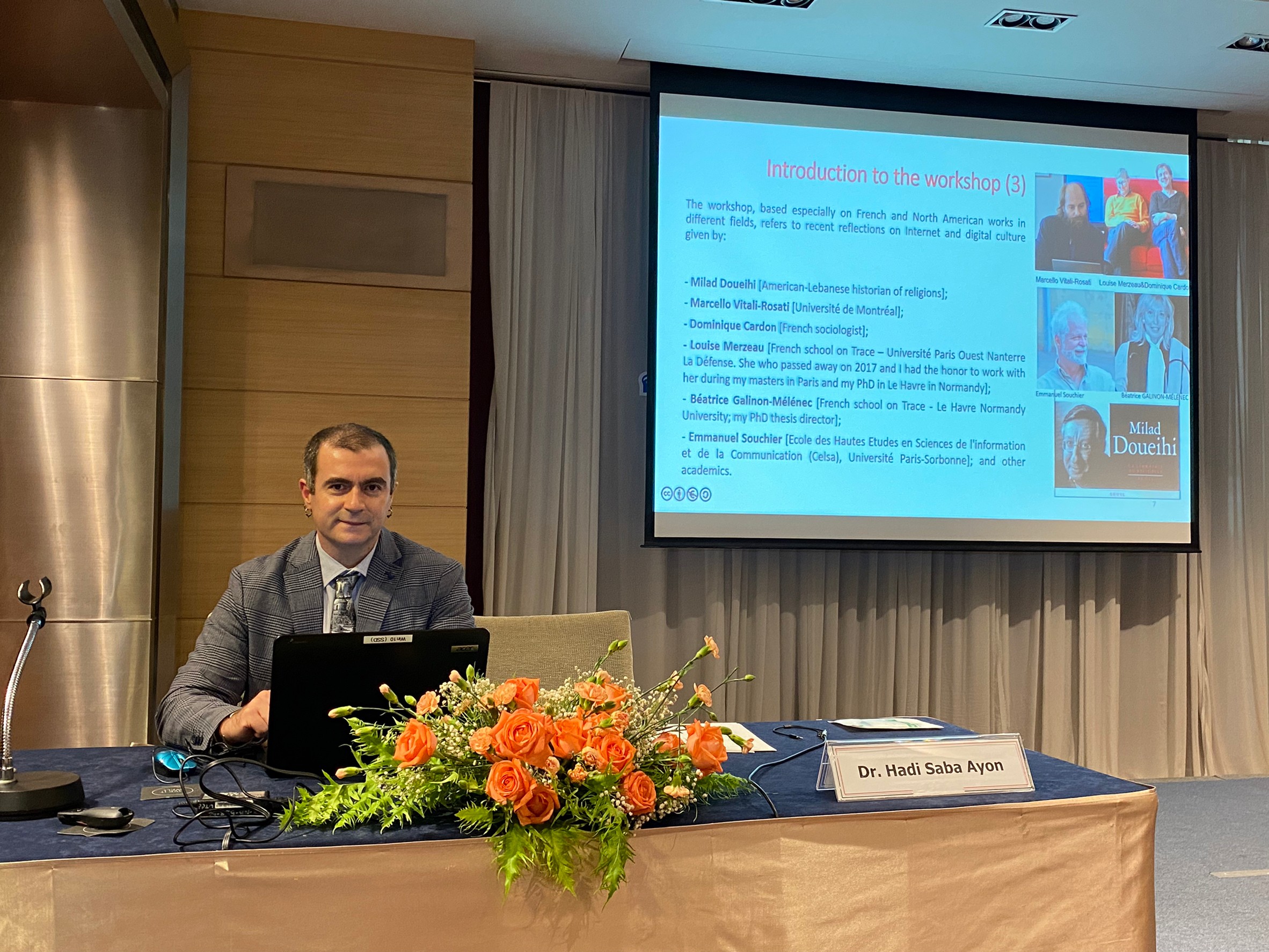
The workshop on “Communication and digital trace: methodology, writing and memory” was intended for PhD students and organized by the Department of Communication Arts at the University of the Thai Chamber of Commerce in Bangkok.

Photos source: Supitcha Pornsuksawat.

In this workshop we tried to define what is digital culture and what are the challenges it brings to communication and to the research in this field (methodology, methods and writing).

We also questioned the accumulation of digital traces and their use for diverse purposes by different actors, their availability, accessibility, security, and preservation. We discuss questions about the memory and its characteristics in the digital era.

The content presented, based especially on French and North American works, refers to recent reflections on Internet and digital culture given by:

  • Milad Doueihi [American-Lebanese historian of religions];
  • Marcello Vitali-Rosati [Université de Montréal];
  • Dominique Cardon [French sociologist];
  • Louise Merzeau [French school on Trace – Université Paris Ouest Nanterre La Défense];
  • Béatrice Galinon-Mélénec [French school on Trace and Founder of the e. laboratory on Human Trace Complex System Digital Campus UNESCO– Le Havre Normandy University]
  • Emmanuel Souchier [Ecole des Hautes Etudes en Sciences de l’information et de la Communication (Celsa), Université Paris-Sorbonne]; and other academics.