Three weeks as a “visiting professor” at the Atma Jaya Catholic University of Indonesia in Jakarta was a short stay. Still, it is enough time to know this beautiful community and exchange academic knowledge, experiences, and social and cultural activities. The Faculty of Business Administration and Communication Sciences community’s generous and friendly treatment marked my stay in the city, which mainly had stayed the same since my last visit six years ago, crowded, and heavily populated with a permanent traffic jam. Coming from Le Havre Normandy University in France, with the full support of my research laboratory IDÉES Le Havre and its director Professor Fabien Liénard, I brought my french toolbox of works developed on Trace and digital culture. I added various works (especially North American) that I have been studying for several years on the history of the Internet, social participation and inclusion. There are many stories to tell about my Indonesian academic mission in this text. I can spend days writing about it. Nevertheless, I want to resume my experience and limit it to the scientific work that I did. I brought to Jakarta the questions I usually carry on understanding the digital as an environment and a culture and how the Internet was built and works. Moreover, one essential preoccupation concerns participatory culture in the digital era and how to include and empower communities to inhabit the digital and, participate in managing its systems and benefit from its advantages. These questions travelled with me in the last ten years from France to Brazil, Indonesia, Switzerland, Thailand and now back to Indonesia. While debating these issues with Indonesian colleagues and students, I wanted to lay a foundation stone for the bridge I would like to see between Jakarta and Le Havre. How do we approximate the two institutions and create joint projects in the communication field, exporting the debate to other places, scholars and events?
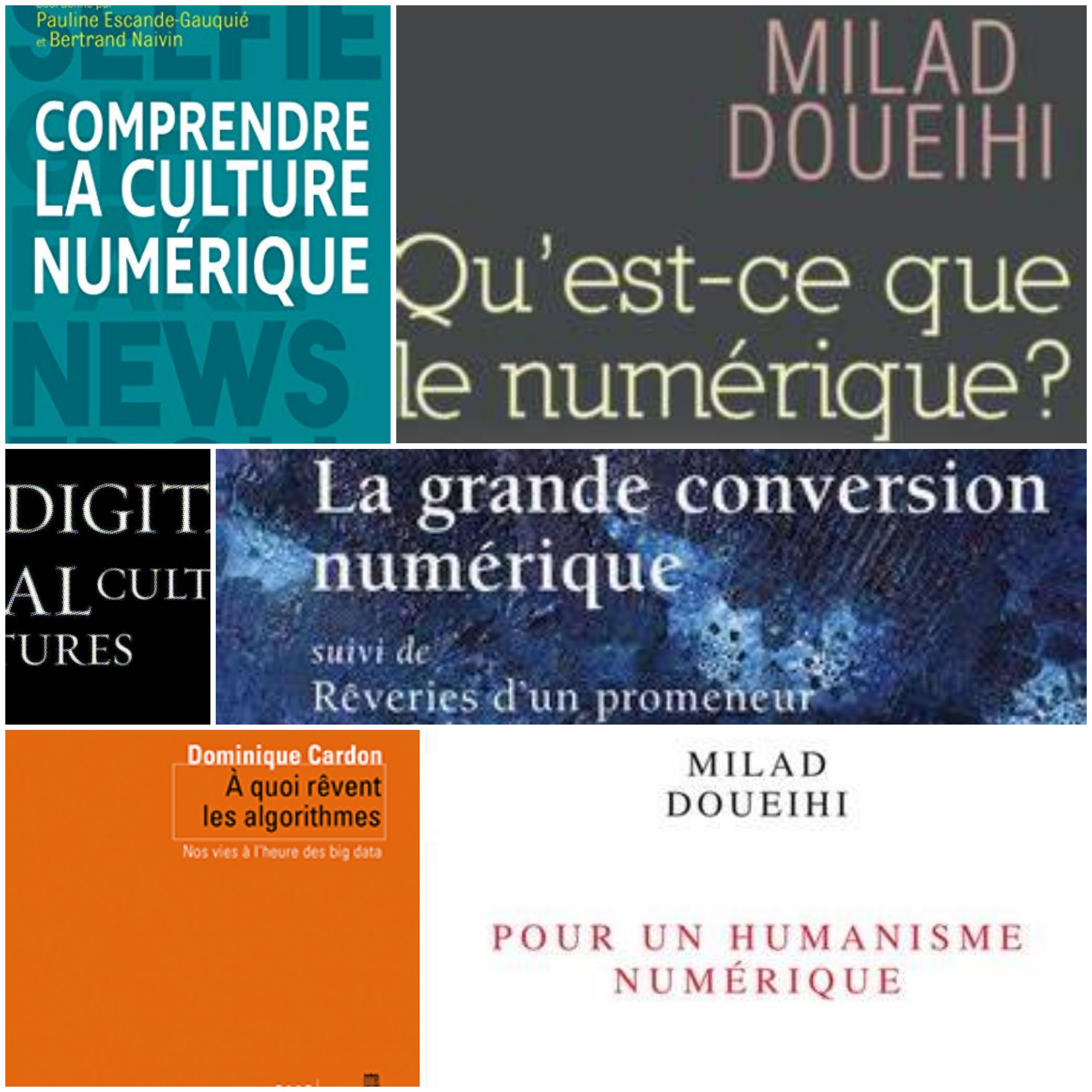
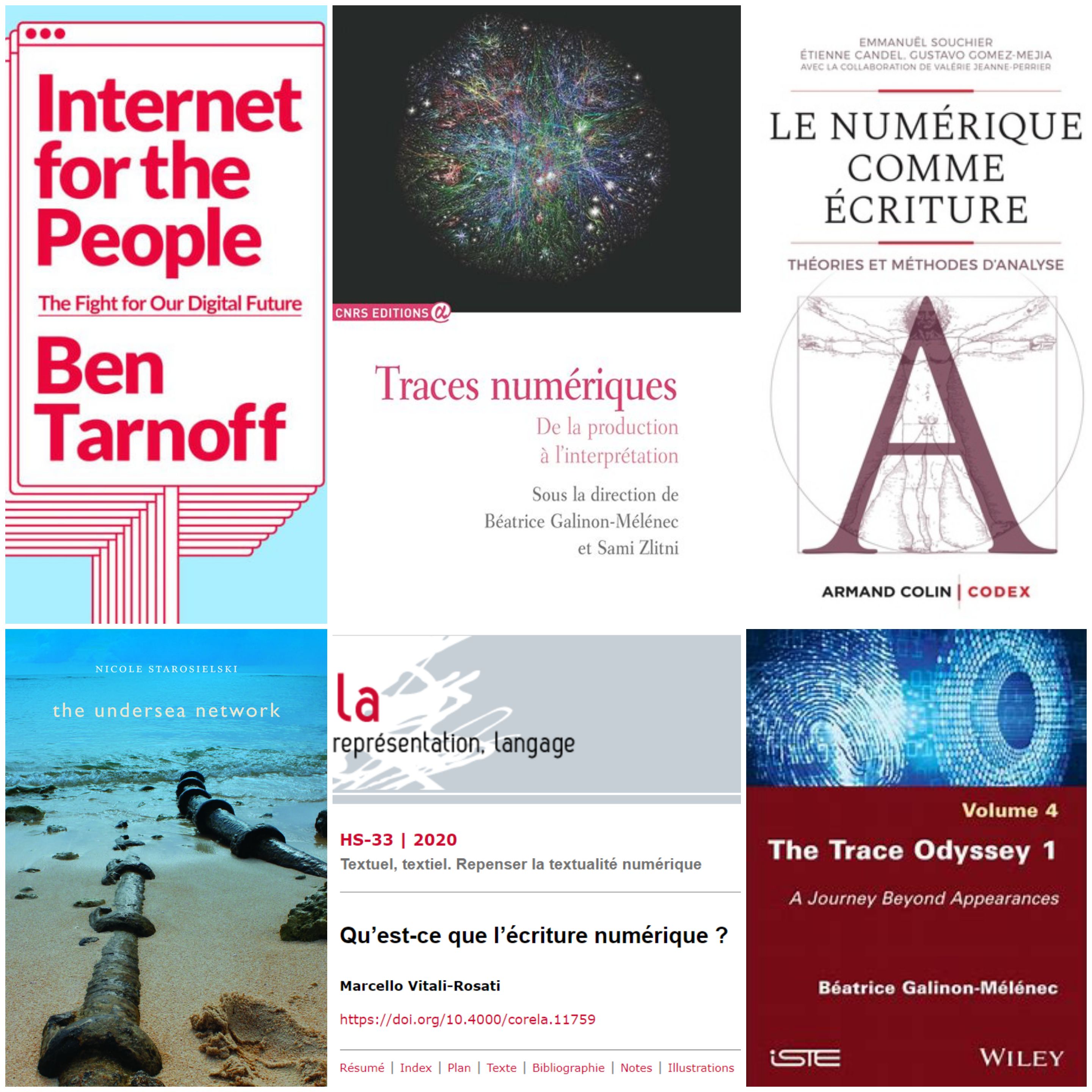
The seminars, workshops and conferences I conducted were about understanding the history of the Internet, the digital culture and the political dimension of the calculation society. We questioned the history of the Internet as a body (pipes and infrastructure), a language (protocols, software and writing) and an environment (platforms and online malls), referring to the works of Ben Tarnoff, Nicole Starosielski, Emmanuel Souchier, Marcello Vitali-Rosati, Louise Merzeau and others. We treated questions related to some characteristics of the digital environment, like the trace, the hashtag, the algorithm and the role of memory in this context. We evoked some risks and challenges of the digital as cybersecurity and how to manage and archive digital traces and how we can reappropriate them.
Established on the works directed by Béatrice Galinon-Mélénec on the trace and other French scholars, we presented digital traceability as an essential character that describes digital today. We discussed the various definitions of a trace and how we can understand the digital trace and its types. Furthermore, based on the works of Milad Doueihi on the digital, we tried to describe the cultural revolution and the technical evolution and their impacts on our societies. We referred to the work of Pauline Escande-Gauquié and Bertrand Naivin on digital culture to talk about the hashtag as a technical object and an index that allows attaching messages, users and groups. We spoke about the algorithm as a technical, strategic and political tool that dominate our communication today and create the worlds in which each lives. We related Dominique Cardon’s book on algorithms to talk about algorithm models linked to different objectives: popularity, authority, reputation and prediction. Moreover, as the School of Communication at Atma Jaya specializes in Corporate Communication, Marketing Communication, and Media and Communication, we debate stakeholders management, network, community and market. We argue that the Internet started as networks that built communities and became markets. One of the biggest challenges we face today is reinventing the Internet for people and communities and not an Internet limited to profit. I left Jakarta for a one-week international conference in other Indonesian cities before leaving back home. I took much affection from Atma Jaya and “orang Indonesia” (Indonesian people) and new ideas about academic collaboration that need to be developed and realized soon. “Temanku, kita akan segera bertemu kembali”.
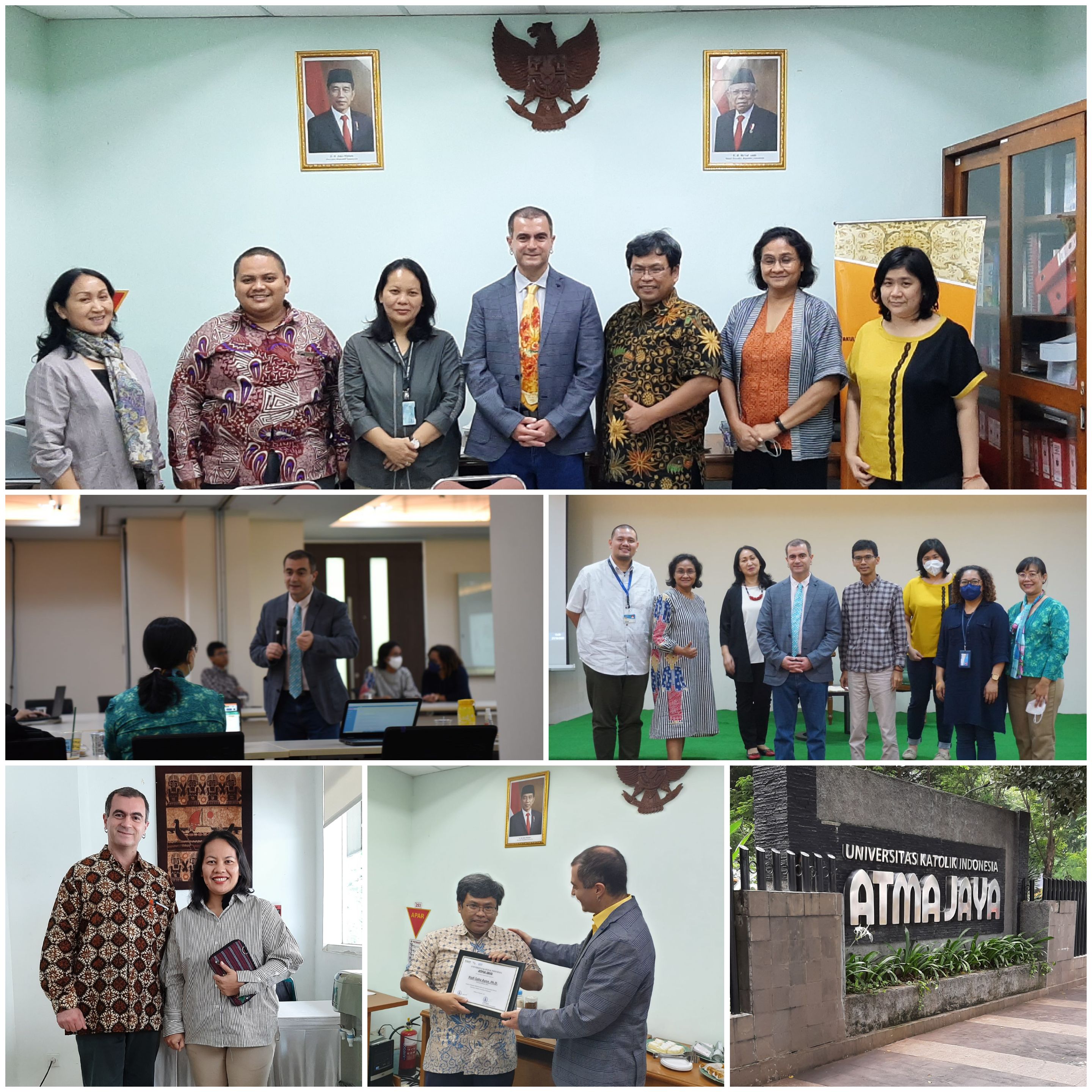
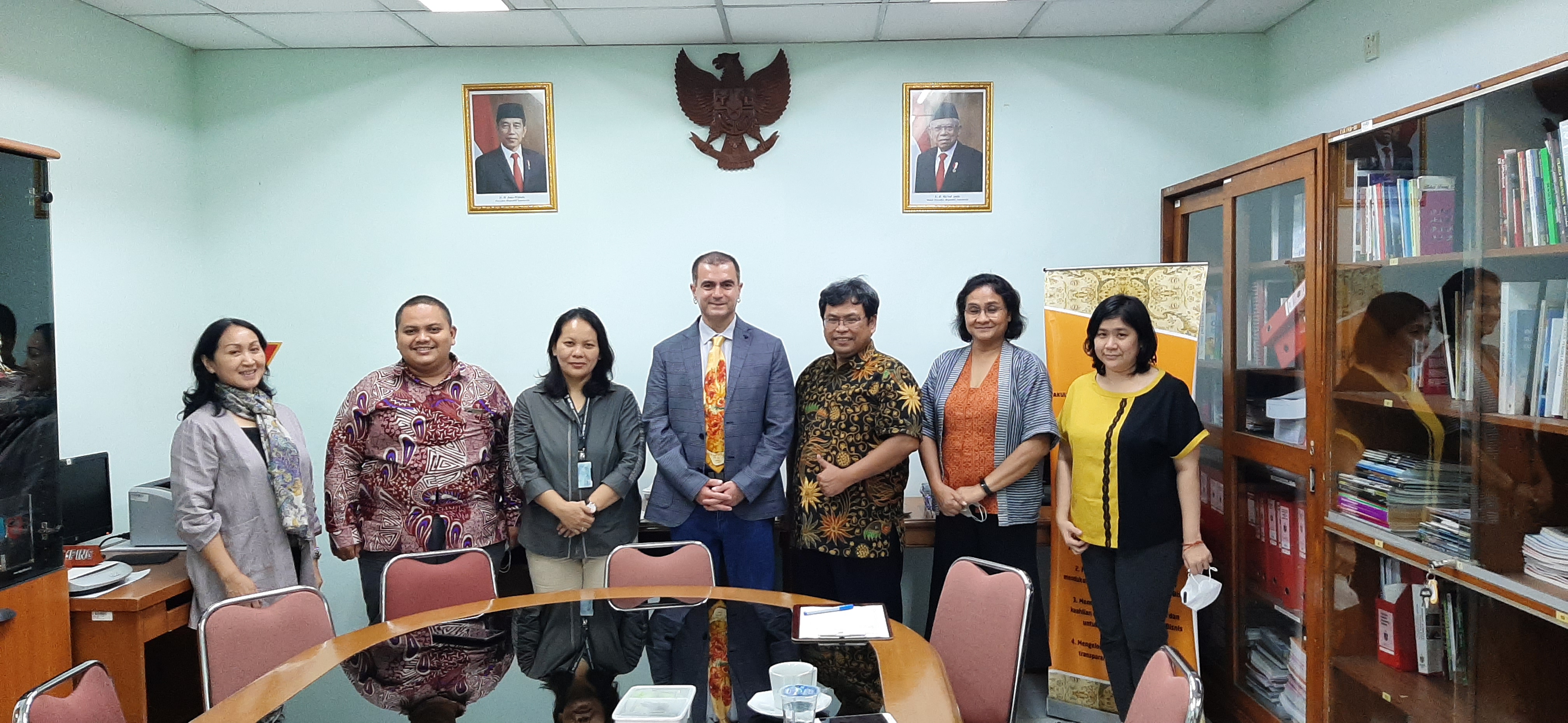
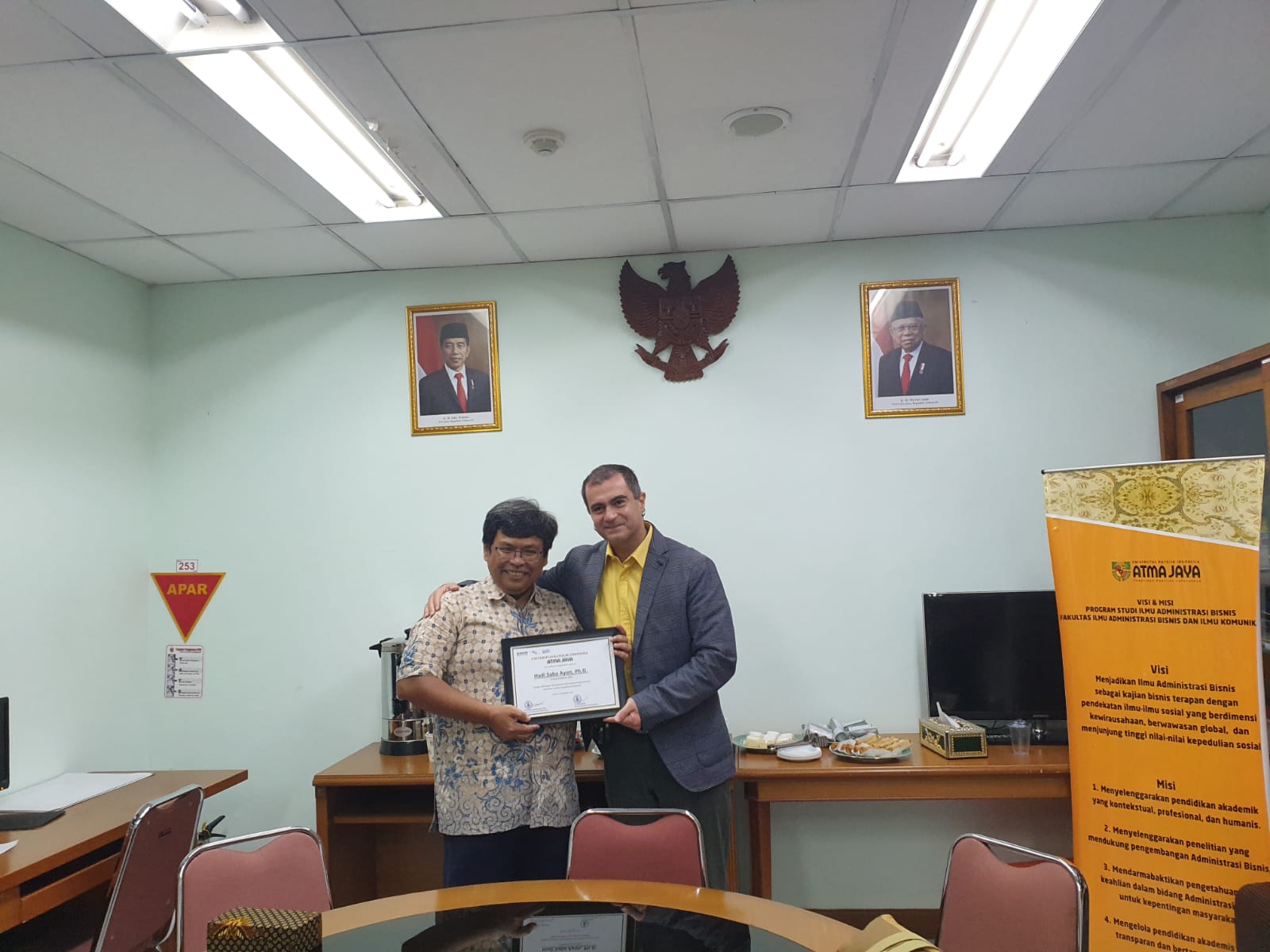
With Pr. Eko Widodo, the Dean of the Faculty of Business Administration and Communication Sciences (FIABIKOM); Pr. Rosdiana Sijabat, the Vice-Dean of the FIABIKOM; Pr. Dorien Kartikawangi, the Head of the School of Communication; Dr Nia Sarinastiti (associated professor); Miss Agnes Harnadi, the Head of Student Affairs; and Mr Adre Zaif Rahman, the Head of the International Office at Atma Jaya.
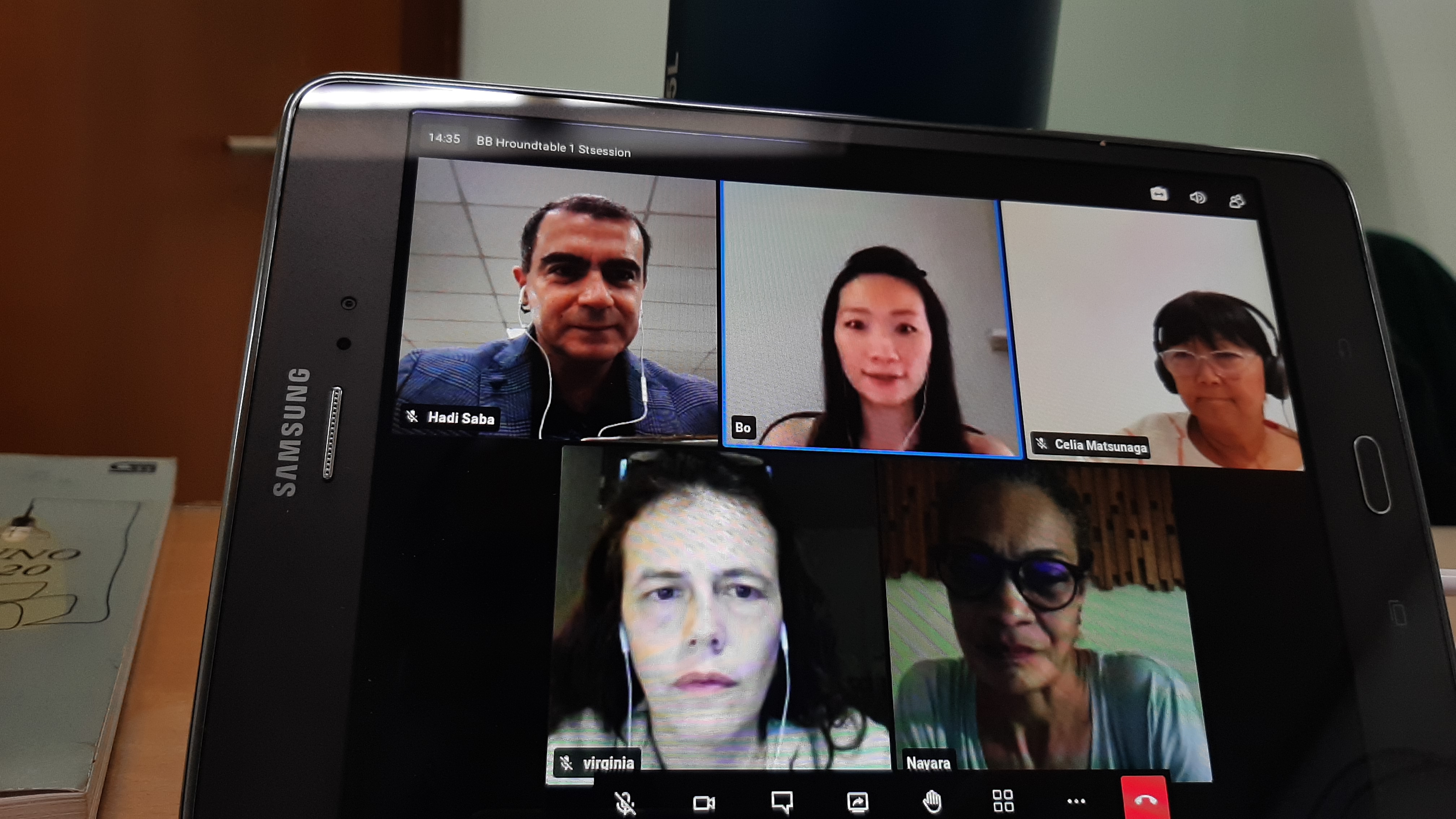
Preparing a round table in the Bandung-Belgrade-Havana international conference with colleagues from the Thai Chamber of Commerce University in Thailand and the University of Brasilia in Brazil: Monvadee Siripremruedee, Célia Matsunaga, Virginia Tiradentes and Nayara Moreno.
With Pr. Eko Widodo, the Dean of the FIABIKOM; Professor Lukas, from the Faculty of Engineering; Dr Nia Sarinastiti from the School of Communication; Dr Rory Hutagalung from the Faculty of Biotechnology, and Mr Alfonso Harrisson, lecturer at the Scholl of Communication.
Visiting the BSD Campus of Atma Jaya and having a tour with Alfonso Harrisson, Adella Suwandhi and Veronica Chandra Selena.
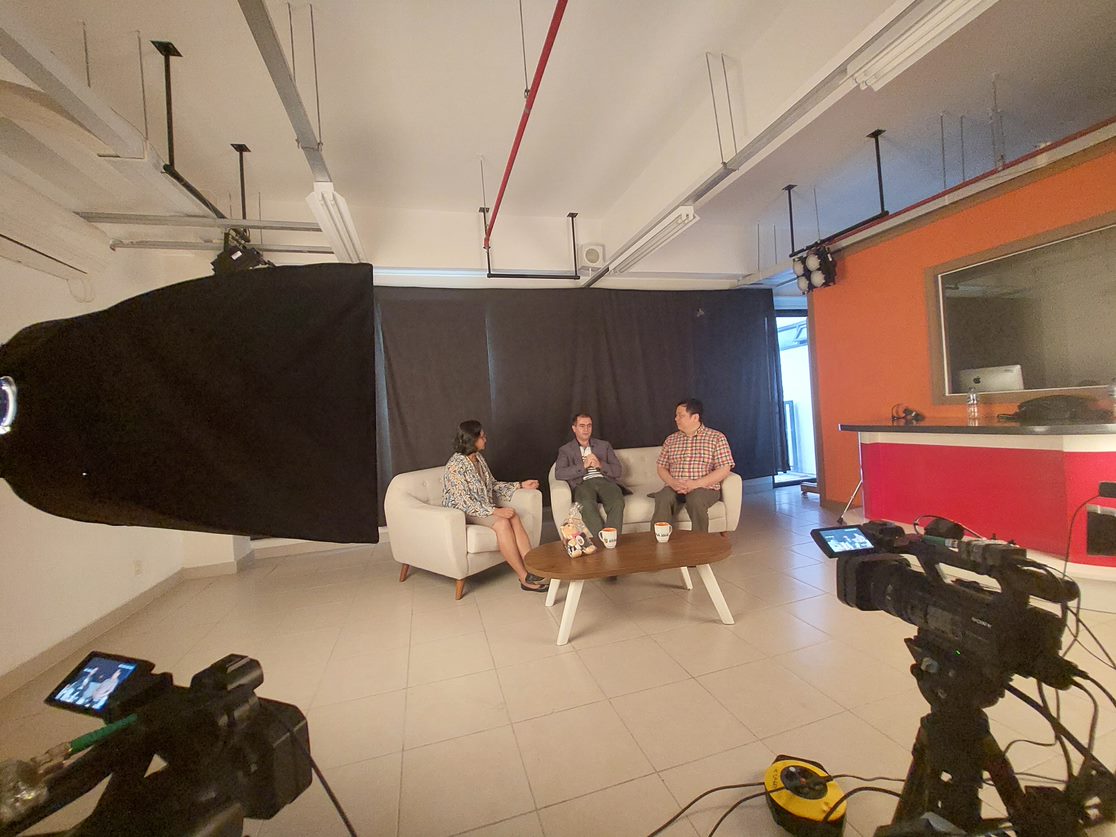
Participating in a radio show on Artificial Intelligence with Dr Lukas from the Faculty of Engineering and Dr Nia Sarinastiti from the School of communication in BSD Campus.
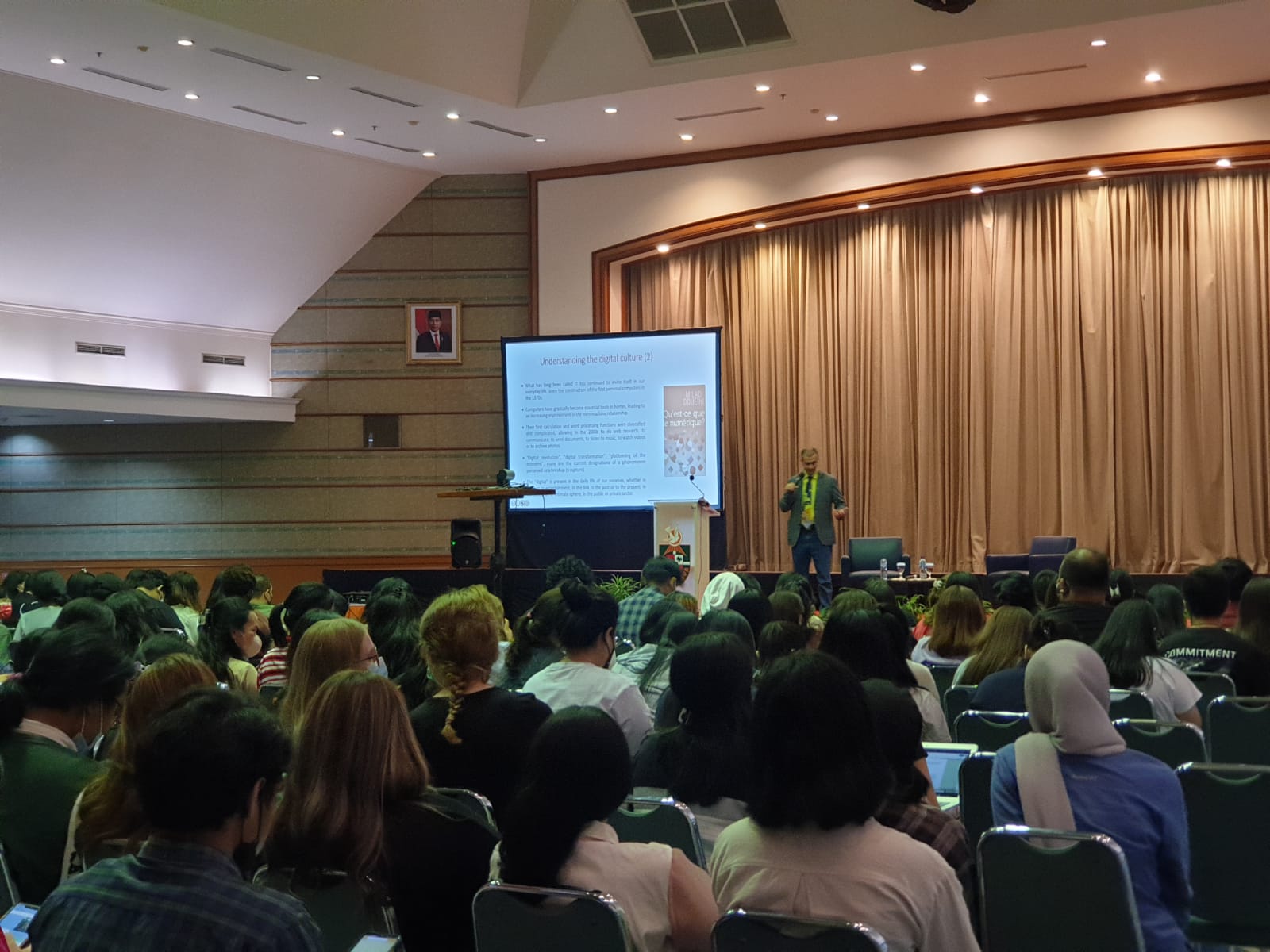
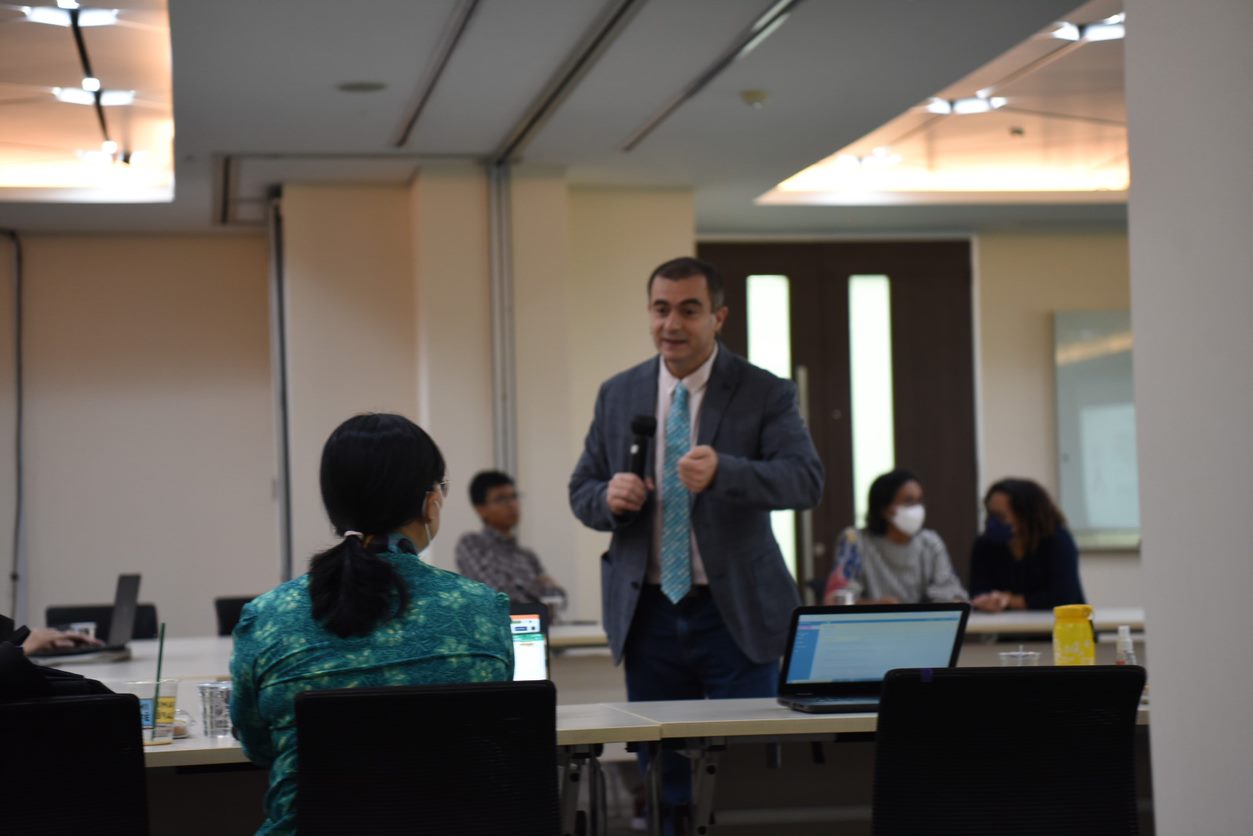
Lecturing on digital culture at the School of Communication.
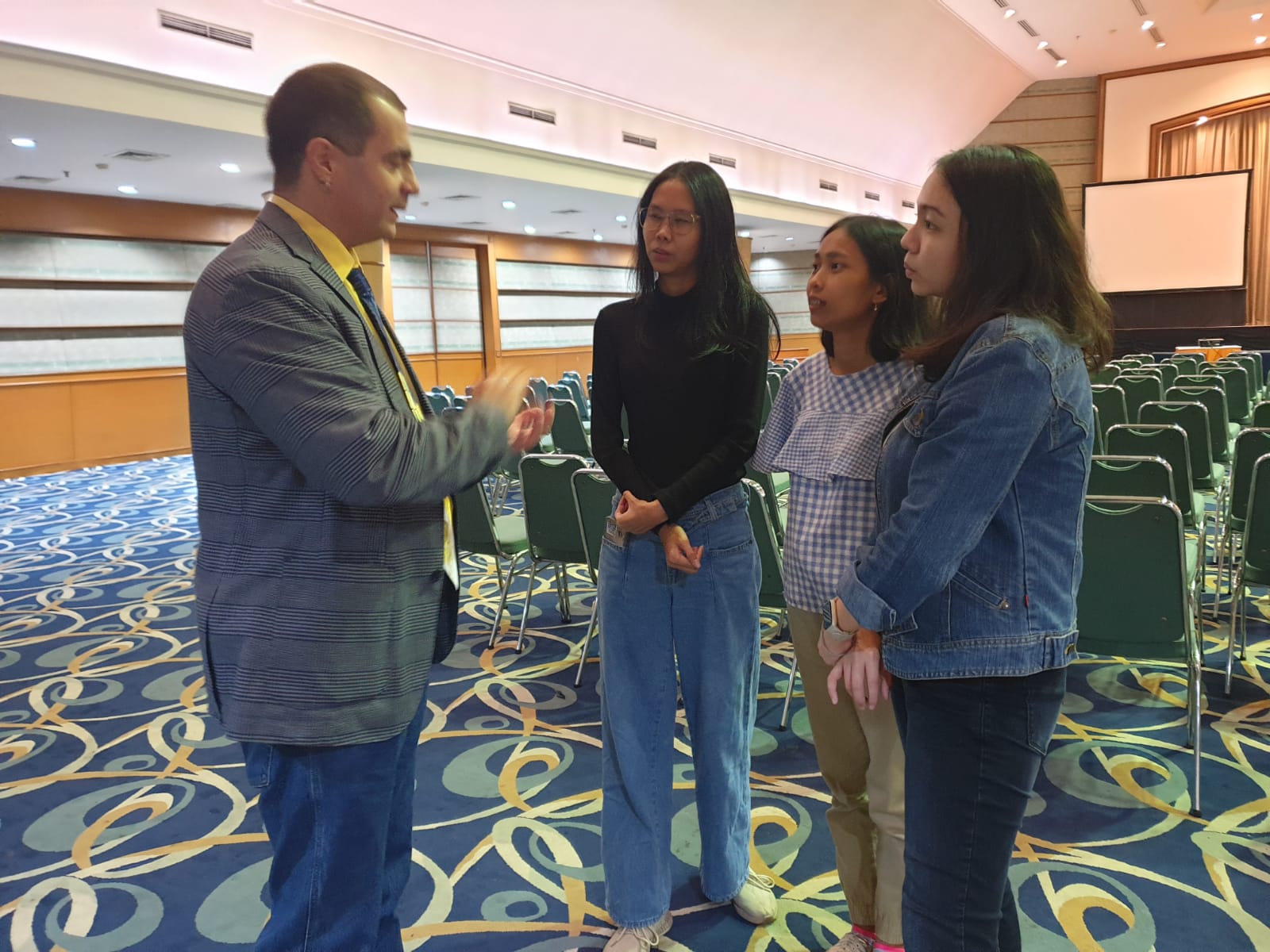
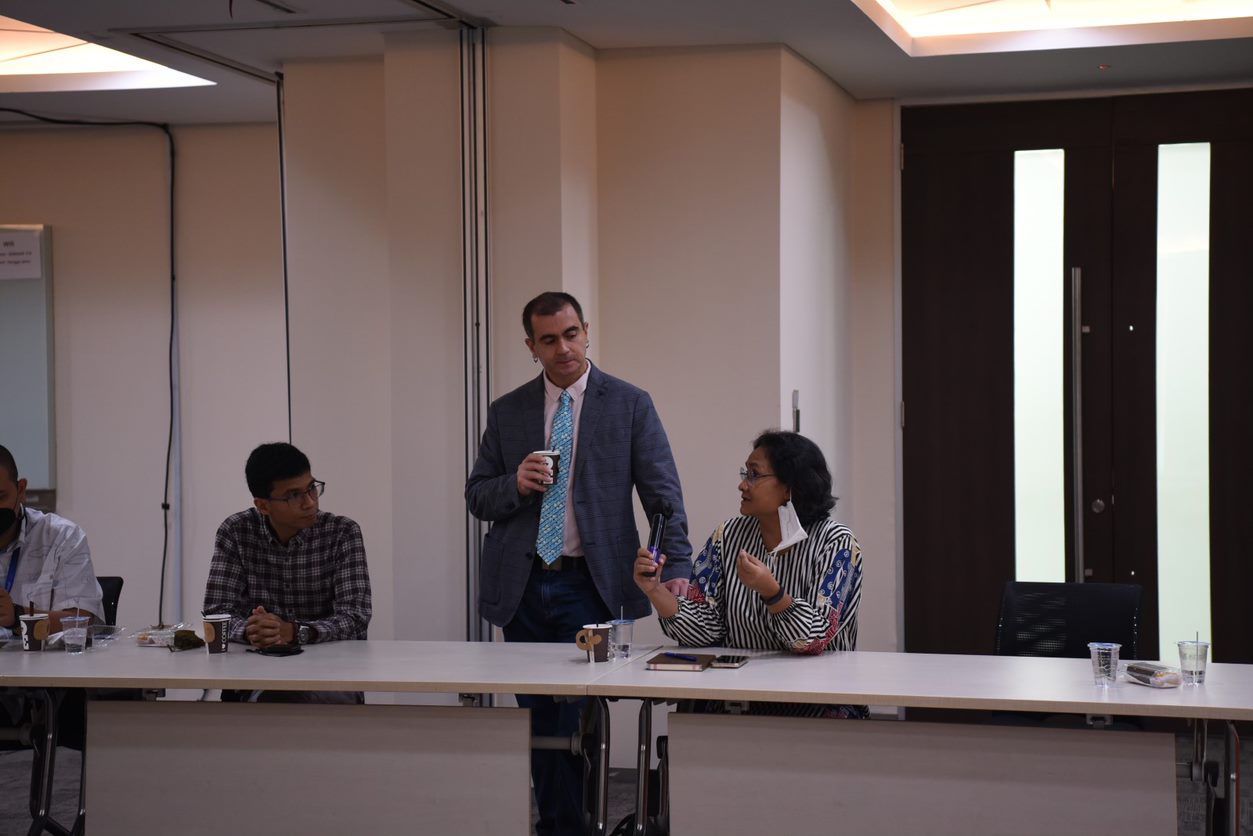
Discussion with some students at the School of communication.
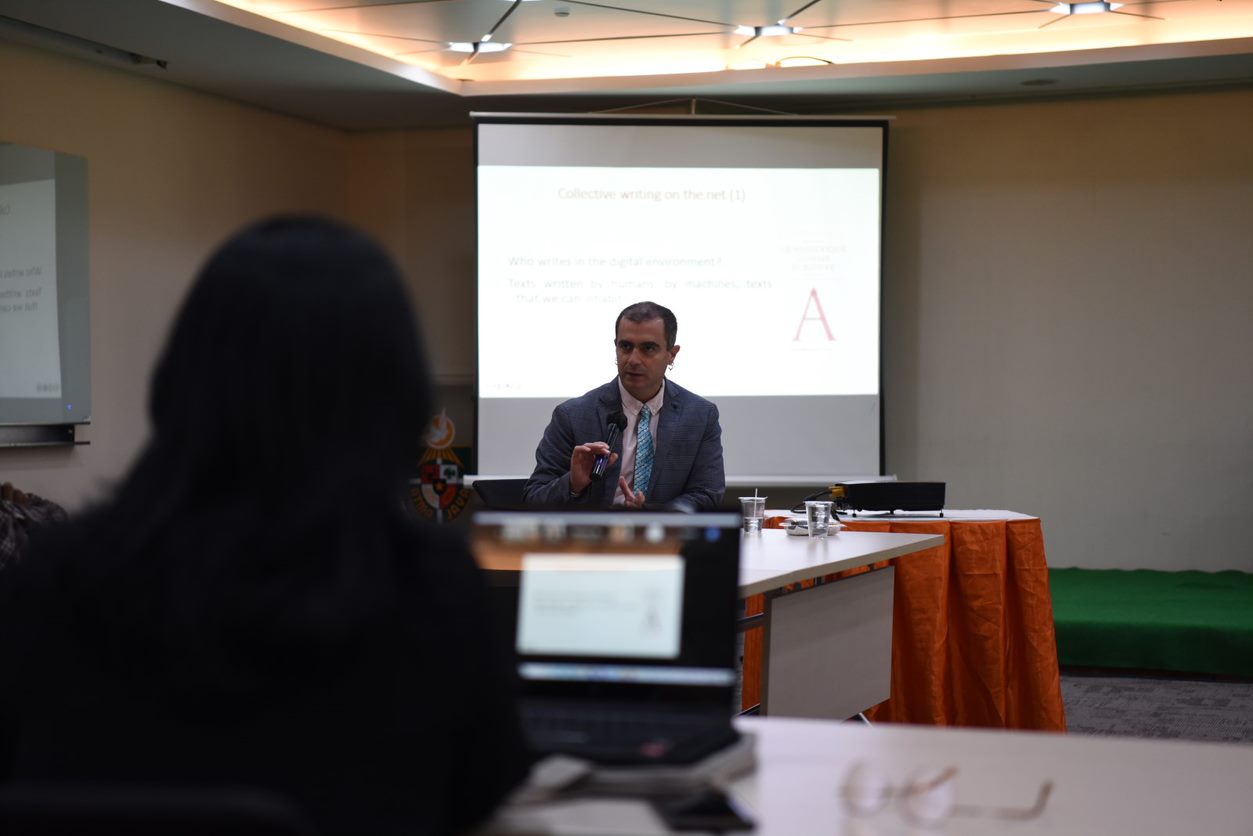
Presenting my work on digital culture at the School of communication.
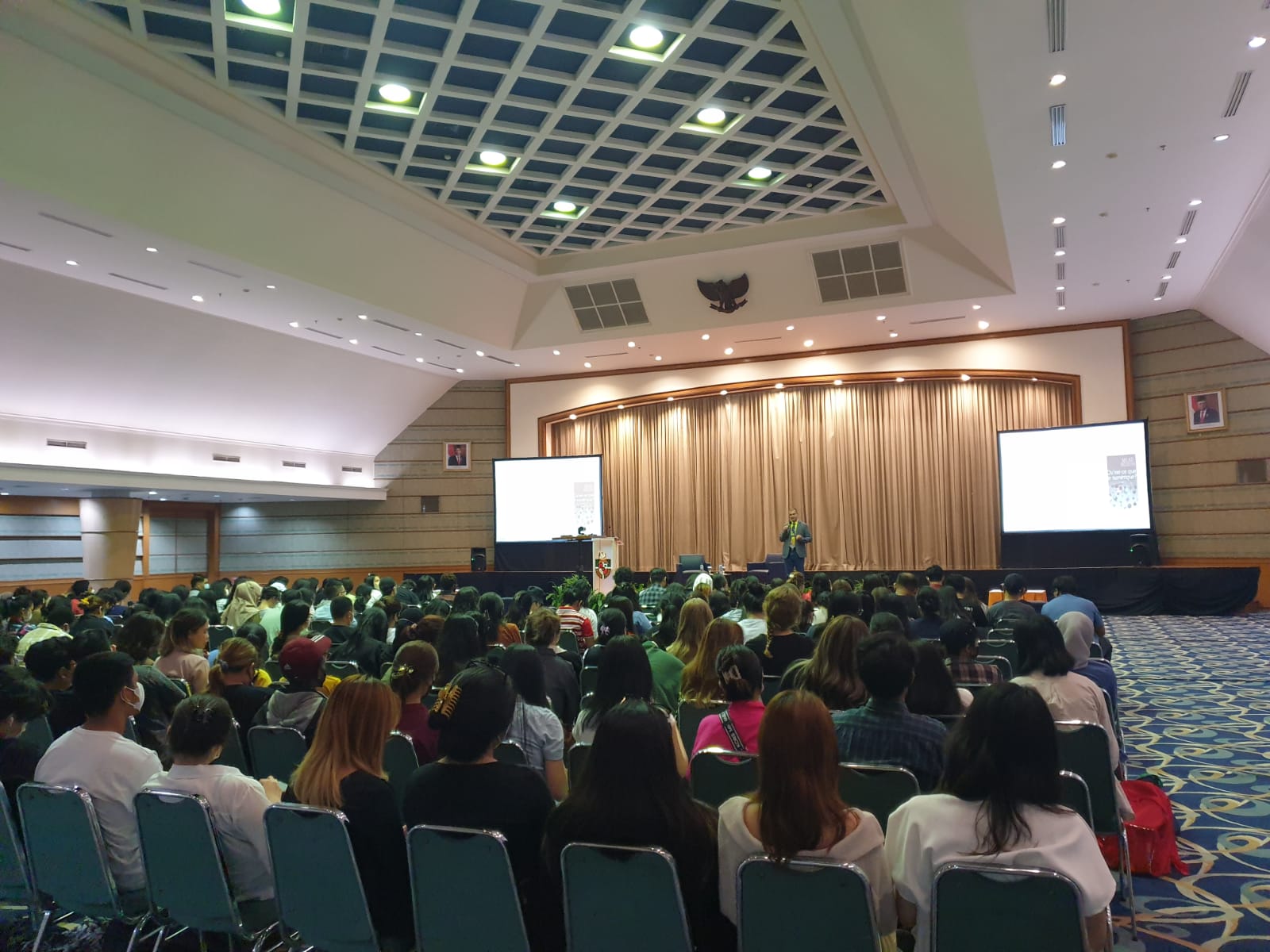
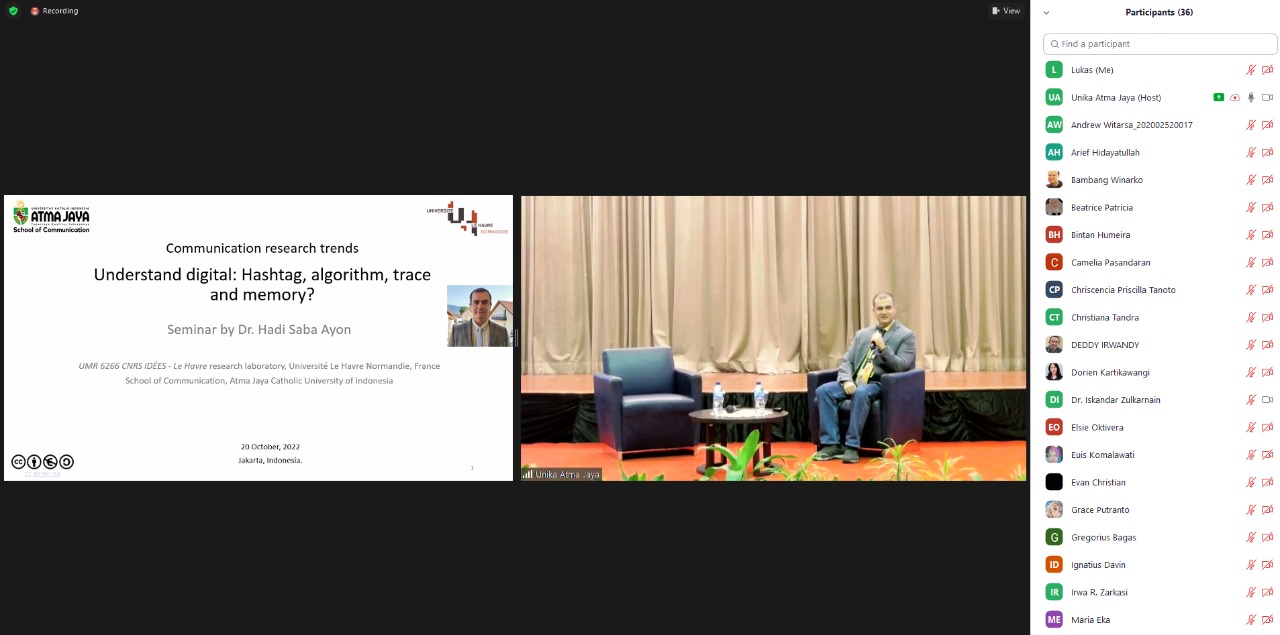
Speaking in a seminar on digital culture at the School of communication.
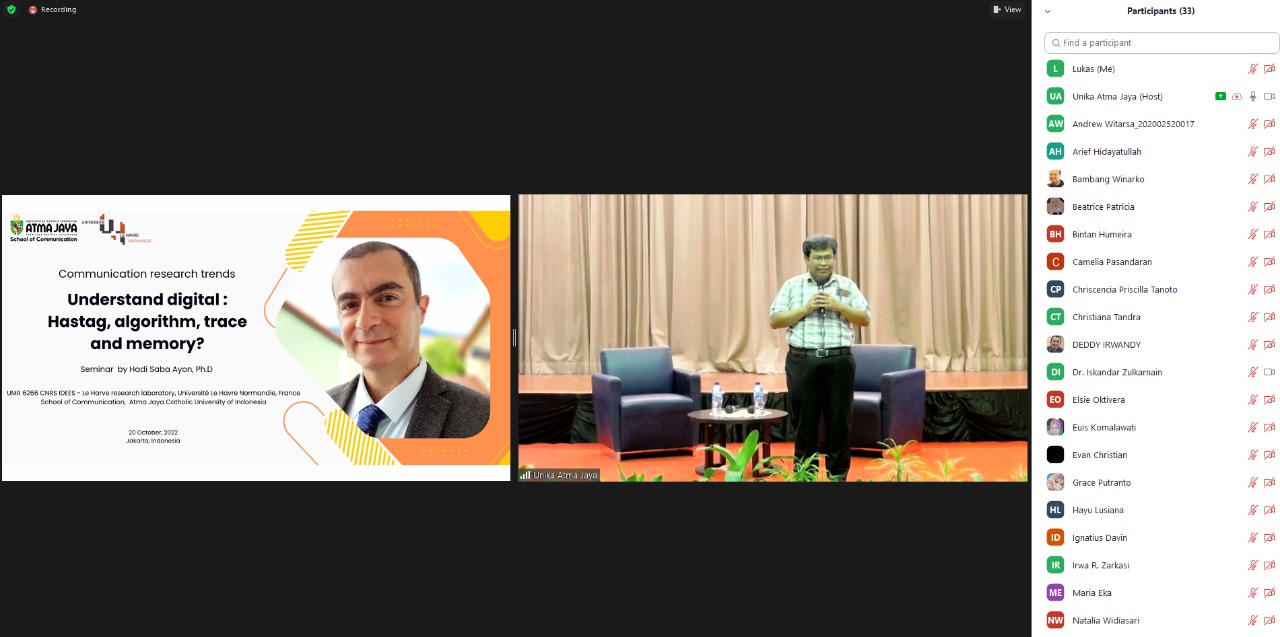
With Pr Eko Widodo in the seminar on digital culture at the School of communication.
A radio show on Artificial Intelligence with Dr Lukas from the Faculty of Engineering and Dr Nia Sarinastiti from the School of communication in BSD Campus.
The radio show on Artificial Intelligence is going on at Atma Jaya.
Debating on the infrastructure of the Internet and the Big Data.
Discussion with Pr Dorien Kartikawangi, Dr Nia Sarinastiti and Pr Rowena Capulong Reyes, the Dean of the Institute of Arts and Sciences of Far Eastern University (FEU) in the Philippines.
With Monvadee Siripremruedee, Célia Matsunaga, Virginia Tiradentes and Nayara Moreno.
In Semanggi Campus at Atma Jaya with Pr Eko Widodo, Mr Alfonso Harrisson and some students.
With Pr Rosdiana Sijabat, the Vice-Dean of the FIABIKOM, Mr Alfonso Harrisson, Adella Suwandhi and Ester Angelia Iskandar from the School of communication.
With Pr Eko Widodo, the Dean of the FIABIKOM at Atma Jaya.
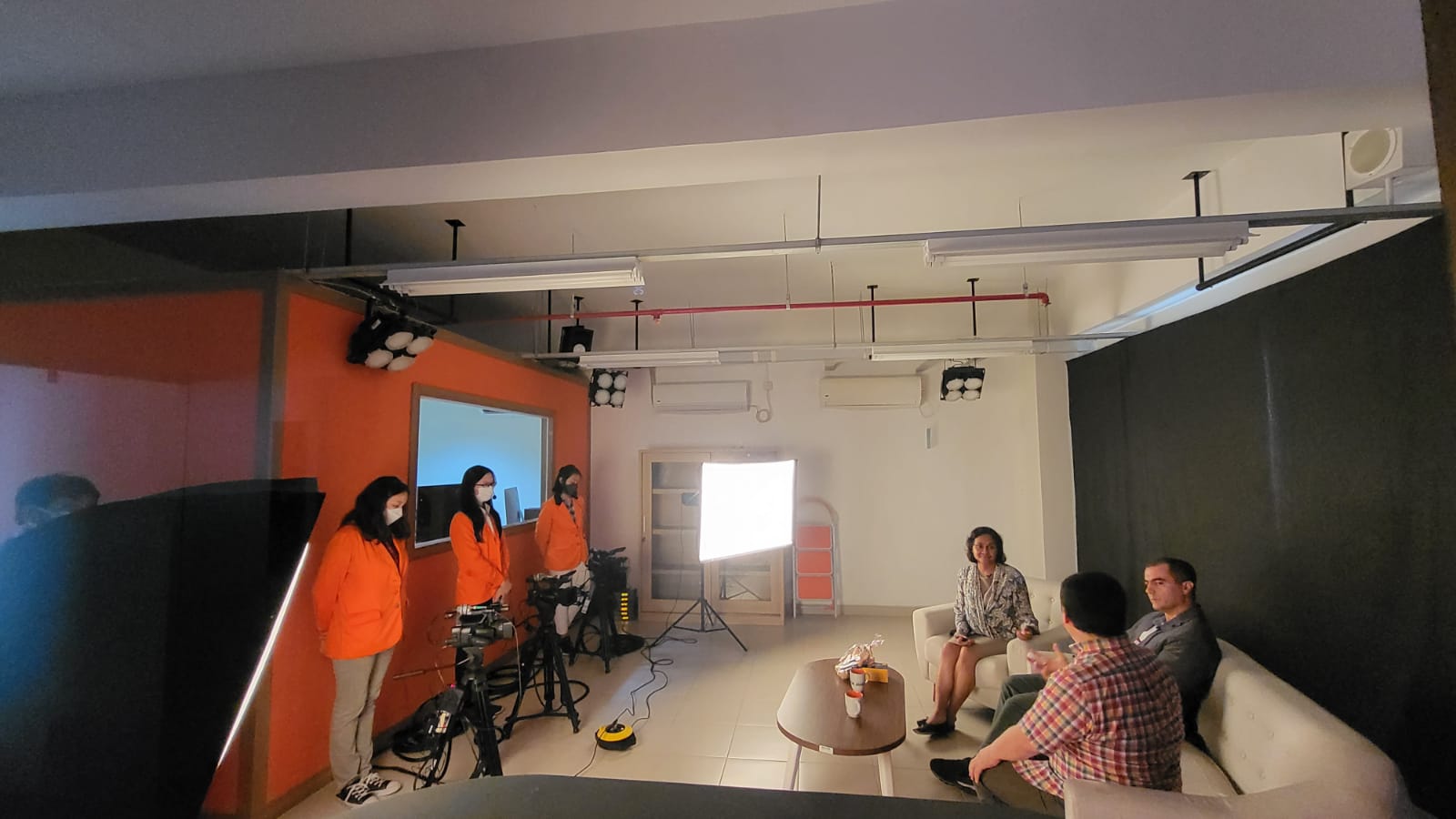
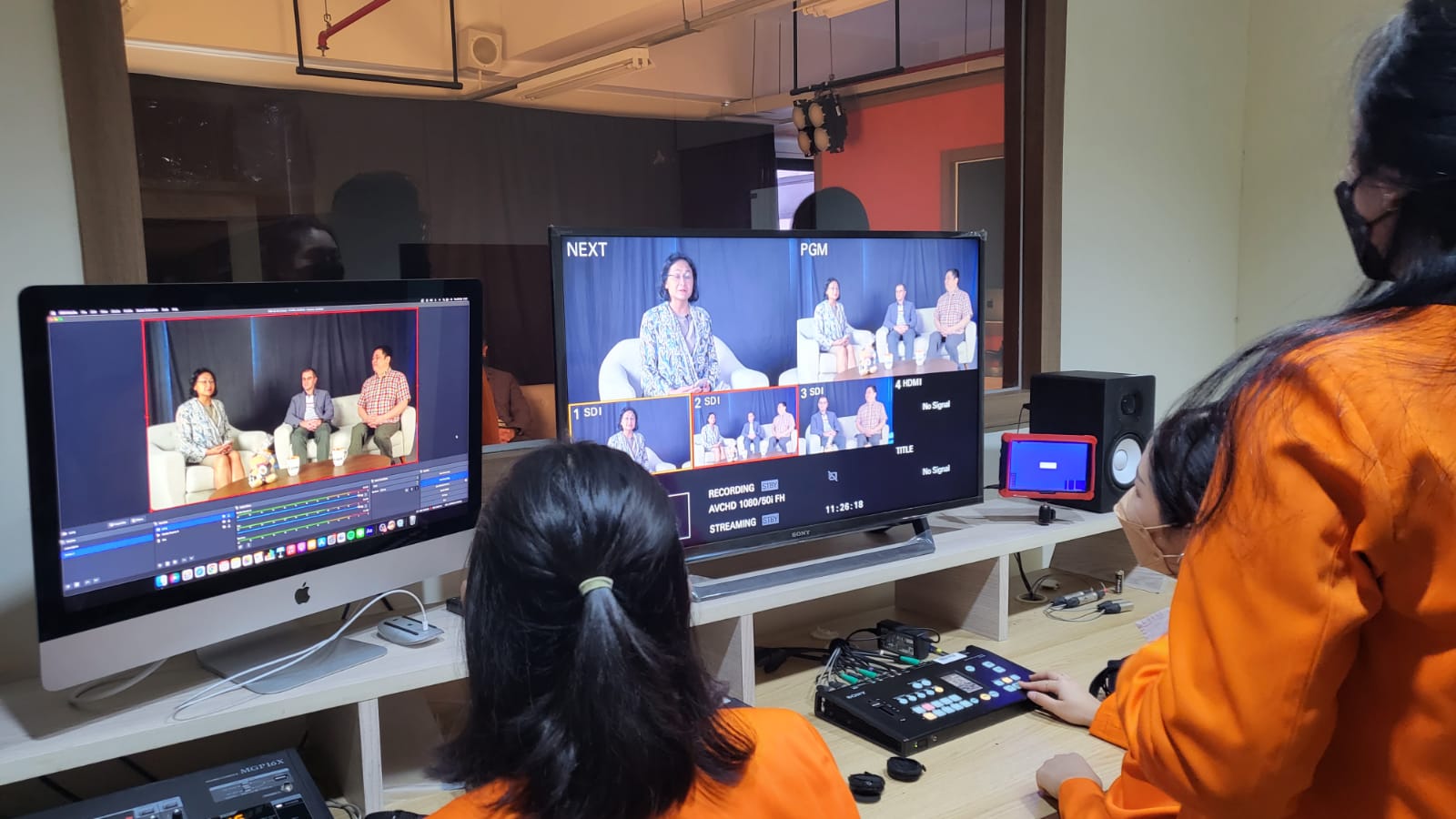
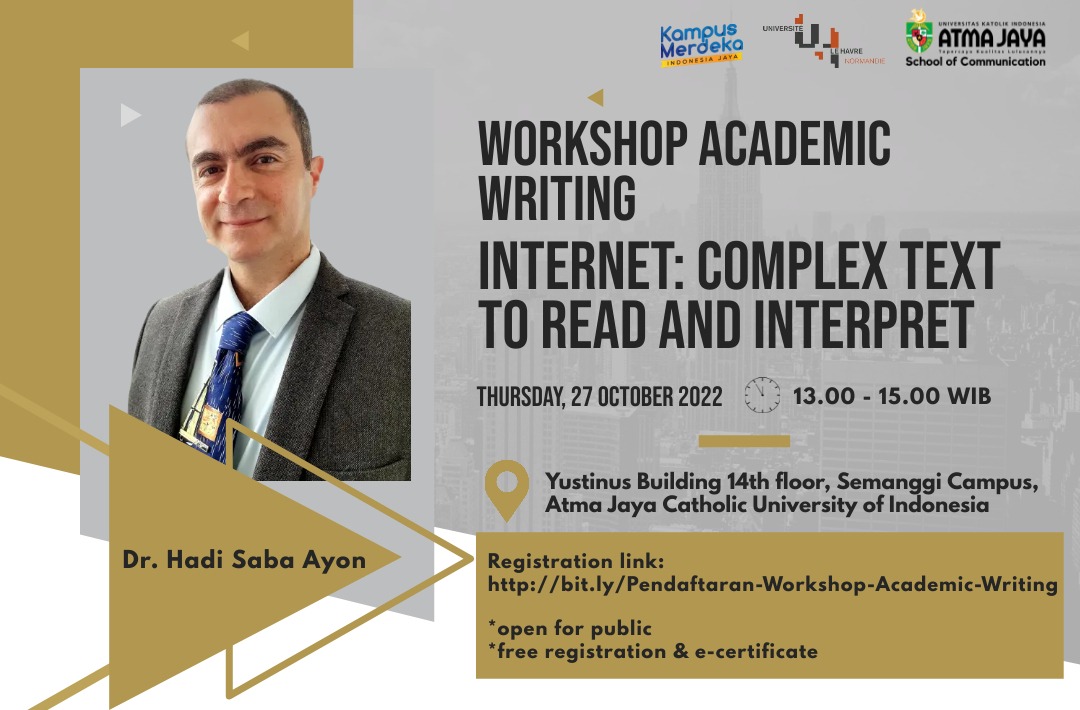
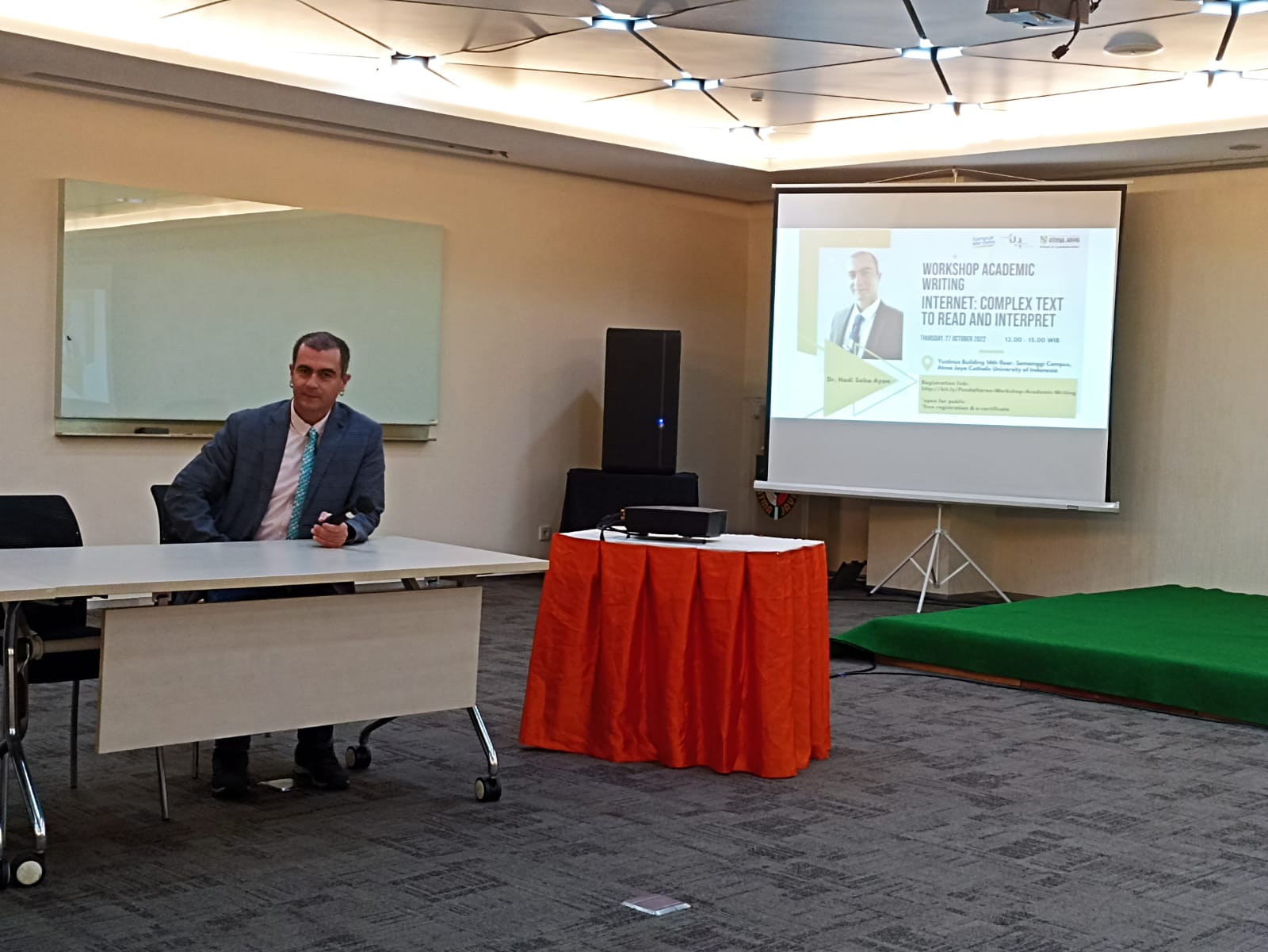
In the workshop on digital writing.
In the workshop on digital writing.
In the workshop on digital writing.
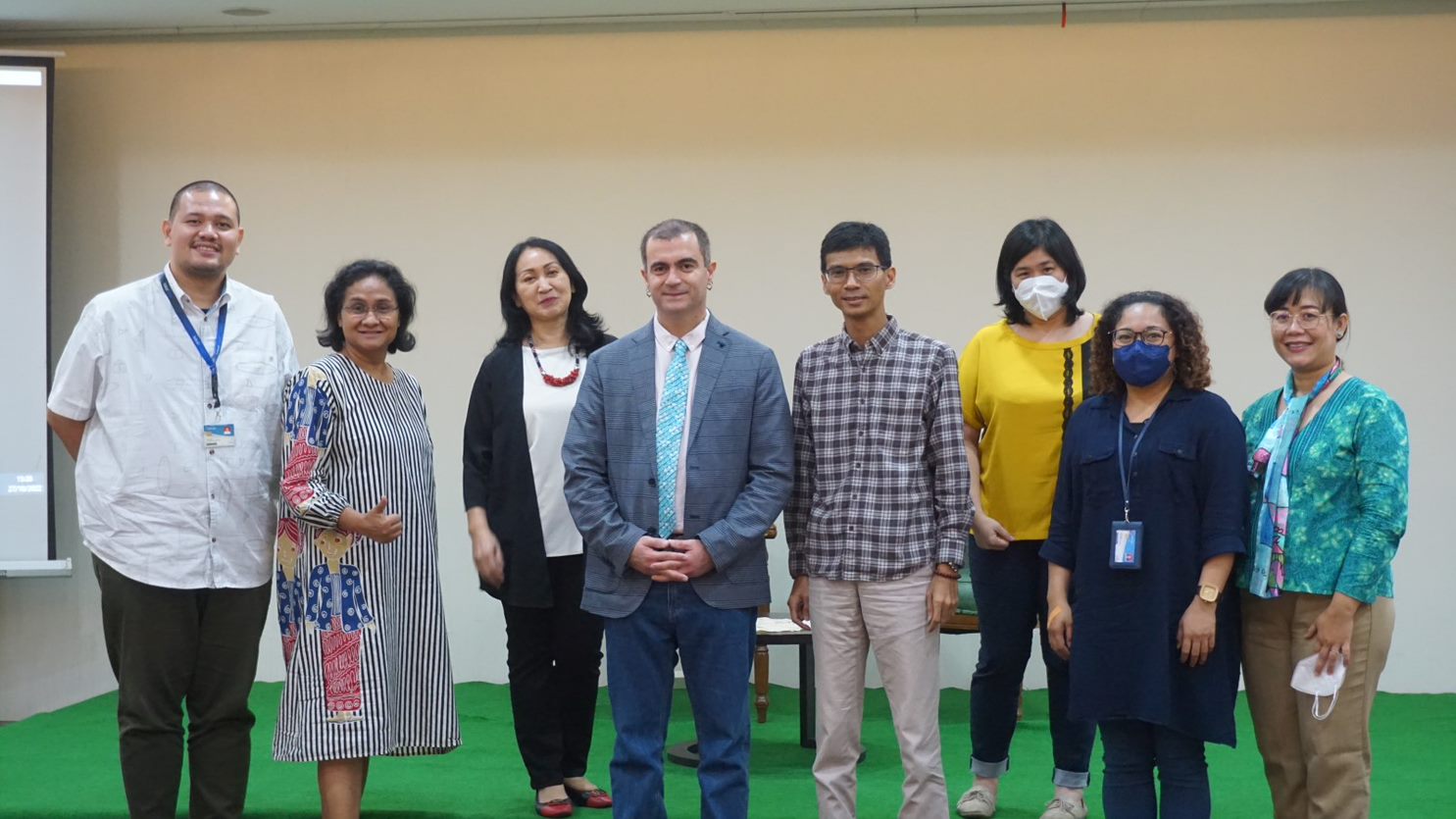
With colleagues from the School of Communication: Dorien Katikawangi, Nia Sarinastiti, Alfonso Harrisson, Agnes Harnadi, Natalia Widiasari, El Chris Natalia and Stefanus Andriano.
This short online course entitled "Disability: Communication and Social participation" is delivered by Dr. Hadi Saba Ayon, at the School of Communication at Catholic University of Indonesia Atma Jaya in Jakarta. It is divided into 3 sessions/2 hours; on 22, 27, 29 of July of 2021, 15:00 - 17:00 Jakarta Time.
Good afternoon fellows and participants, and welcome to my second course on disability. I am very glad to see you in my virtual class to discuss and exchange our experiences.
Today we talk about disability and its information and communication questions: How can we understand disability situation using information and communication theories? How to deal with it in the Covid-19 pandemic context? How to define social participation for disabled people in a networked era?
In this course, we conceive disability as a variation of human development (Fougeyrollas et al., 1998, 2010, 2018); in another words, it is a difference in the level of achievement of life habits or the exercise of human rights. We approach it from a communication angle, that of constructivism, to understand the individual-environment relationship; and that of symbolic interactionism, to apprehend the individual-society relationship analyzing the social interaction and defining its context.
We talk about disability as a situation of dysfunction in the communication, defined by Gregory Bateson and Jurgen Ruesch (1951) as processes by which subjects influence each other. We approach digital culture and changes that it brought and that affect our whole society and our way of thinking and acting.
We talk about disability in exceptional times: Covid-19 pandemic. It drives us to question policies and forms of interaction concerning disabled people.
Our human society was seduced by the promises of technology of a better future, and we were taken aback by the digital. Historian Milad Doueihi described this fascination as “a new civilizing process”, borrowing the term from the German sociologist Norbert Elias. The latter defined “Civilizing Process” as a correspondence between the historical process of seizing power by a centralized state on the one hand, and the self-control exercised by individuals over their spontaneous violence, their instincts and their affects- on the other.
Has SARS- CoV-2 triggered a process of “uncivilization”? Do the thousands of deaths around the world; the hundreds of testimonies of families and organizations on abandoned disabled and vulnerable loved ones and the heartbreaking stories of triage of patients recreate a “humiliation processes” (Smith, 2001) against the most vulnerable, in particular those with disabilities?
Overwhelmed by their physical or functional differences throughout their life, disabled persons find themselves in the digital environment, in times of a pandemic, on equal terms with Internet users. The body is at the heart of social interaction: we live, and we build ourselves through our body. However, at present, this social (physical) interaction – is severely limited – because of Covid-19. Bodies become suspicious in public and even private spaces. They are inspected, evaluated, often sidelined, abandoned, sometimes even ousted. Sars-Cov-2, like AIDS, disrupts the relationship with others, dims the practices that build trust, and reinforces the constraints towards the contaminating agent.
The body of the disabled person, already a source of social stigma, suddenly becomes equal to other bodies. What matters (alarms) is the presence of another, at a distance far enough to be perceived as reassuring (less than 1 meter). Thus, all bodies become equal in their vulnerability to fear, sickness, and death.
During the current crisis, the digital is providing our community with leeway, thus enabling us to function. Whether it is to inform, communicate, telecommute, study, shop, or manage administrative work: more than ever, the digital proves to be an environment for social processes.
In the era where digital technology affects personal and environmental factors and everyone’s life habits, can we think the full social participation of disabled people in relation to the access? To the usage? What can we do with and in digital so that our presence is not limited to one or more identities exploited by trackers (governments, companies, individuals, and others)?
“The importance of accessibility to the physical, social, economic and cultural environment, to health and education and to information and communication, in enabling persons with disabilities to fully enjoy all human rights and fundamental freedoms”.
The access is therefore an essential condition for the exercise of human rights.
We are facing a socio-technical ecosystem where the user is the center and the brain. It is therefore essential, for the disabled person as well as for any other person, to create methods and find ways to develop social links, self-esteem, control of one’s life and time, quality of life, and to build online communities. How to think digital traces in an approach that no longer refers to an identity but to an ability to manage communication?
How to operate actively in the knowledge society? How to bring out a new “living together”?
Despite the progress made in recent years, people with disabilities still face obstacles in accessing healthcare, education, employment, recreational activities or participation in political life, and also present a risk of increased poverty and social exclusion.
It includes considerations for actors: to reduce the potential exposure to Covid-19; to put a plan in place to ensure continuation of the care and support the person needs; to prepare household for the instance the person should contract Covid-19; and to ensure that all members of the household and caregivers enact the basic protection measures.
The WHO calls also governments for actions, to ensure public health information and communication is accessible; to undertake targeted measures for people with disability and their support networks; to undertake targeted measures for disability service providers in the community; to increase attention given to this population living in potentially high-risk settings of developing the disease; and to ensure that emergency measures include the needs of disabled persons.
It urges to ensure that Covid-19 health care is Accessible, Affordable and Inclusive; to deliver telehealth ; to develop and implement service continuity plans; to communicate frequently with disabled people and their support networks; to reduce potential exposure to Covid-19 during provision of disability services in the community; and to provide sufficient support for disabled people who have complex needs.
And finally, it calls for actions in institutions to reduce potential exposure to Covid-19; to prepare for Covid-19 infections in institutions; to provide sufficient support for residents with disability and to guarantee the rights for residents during the Covid-19 outbreak.
On the side of civil society, organizations defending the rights of disabled people criticized governments for not acting in favor of people with disability. For example, the League of Rights and Freedoms in Quebec in Canada, underlines in a text entitled “Defend the right to participation, crisis or not” published in a special issue of its review “Rights and Handicap” (2021), that the crisis produced by the Covid -19 was marked by a deficit of democratic mechanisms for participation and consultation of the population (in Quebec). She recalled the importance of citizen participation – especially during a pandemic – stressing the idea that action and democracy are not mutually exclusive, but complementary.
Ursula von der Leyen, President of the European Commission, called in March of this year (2021), to remove the remaining barriers for disabled people by defining flagship initiatives focused on three main themes: their rights; their independent life and autonomy and; finally, equal opportunities and non-discrimination. “We all have the right to a life without barriers. And it is our duty, as a society, to ensure the full participation of all on the basis of equality with others”, she said.
Finally, we remember that effective participation must have a significant impact on decisions, especially with regard to the most marginalized and vulnerable populations. The right to participation presupposes taking part in the public decision-making process and, consequently, having the assurance of being considered in the design, planning and implementation of policies or services that must guarantee respect for its rights.




 Sabáeu
You must be logged in to post a comment.