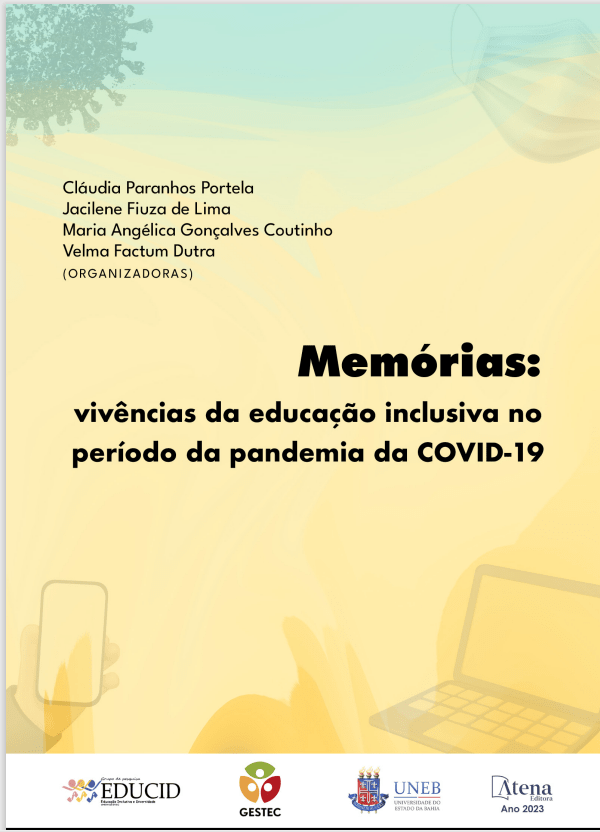
I had the pleasure to write in portuguese the Preface of the e-book Memórias: vivências da educação inclusiva no período da pandemia da Covid 19 directed by Professors Cláudia Paranhos De Jesus Portela, Jacilene Fiuza de Lima, Maria Angélica Goncalves Coutinho and Velma Factum Dutra from the University of Bahia State in Brazil (UNEB).
The preface is untitled: “RETOMAR OS RASTROS DIGITAIS PARA FAZER MEMÓRIA E FAVORECER A PARTICIPAÇÃO SOCIAL DE PESSOAS COM DEFICIÊNCIAS” (RECLAIM DIGITAL TRACES TO BUILD MEMORY AND PROMOTE THE SOCIAL PARTICIPATION OF DISABLED PEOPLE).
In the Preface I bring to the works on the culture of inclusion for disabled people a view about repossessing digital traces by building memories. I highlight on the digital traceability that characterizes our activities on the Internet. I emphasize the importance of developing digital skills and reinventing the digital space and the uses of the digital technology to help in achieving daily activities and social roles of disabled people. Finally, I call to produce and share digital cultural memories (conveying knowledge and good practices) that help to achieve life habits.
The e-book was published on October 2023 by Atena Publisher. It brings together scientific articles, letters from mothers and experience reports from various extension projects of the EDUCID research group at the University of Bahia State in Brazil, that were developed during the Covid-19 pandemic. EDUCID is the Special Education, Inclusion and Diversity Research Group linked to the Program of Management and Technology Applied to Education (GESTEC) at the State University of Bahia in Brazil.
The e-book gathers works that share theoretical and empirical experiences that transcended the home, isolation and social distancing, when collective life seemed to lose meaning and, at the same time, revealed the inexorable reason for human existence: community life.
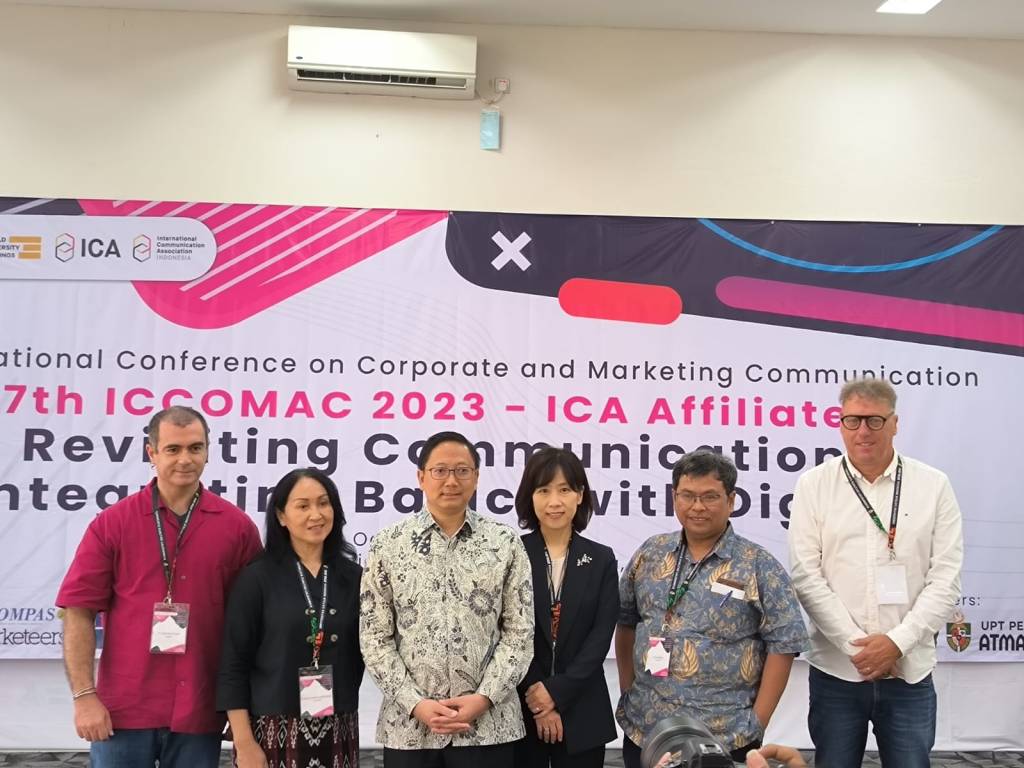
After years of international collaboration with the School of Communication, Atma Jaya became my HOME in Indonesia, and FIABIKOM my betawi family. My visit to Atma Jaya this year started with the 7th International conference on corporate and marketing communication (ICCOMAC) during which my friend Fabien Liénard, the chief of our research unit (IDEES Le Havre) at Université Le Havre Normandie was a speaker.
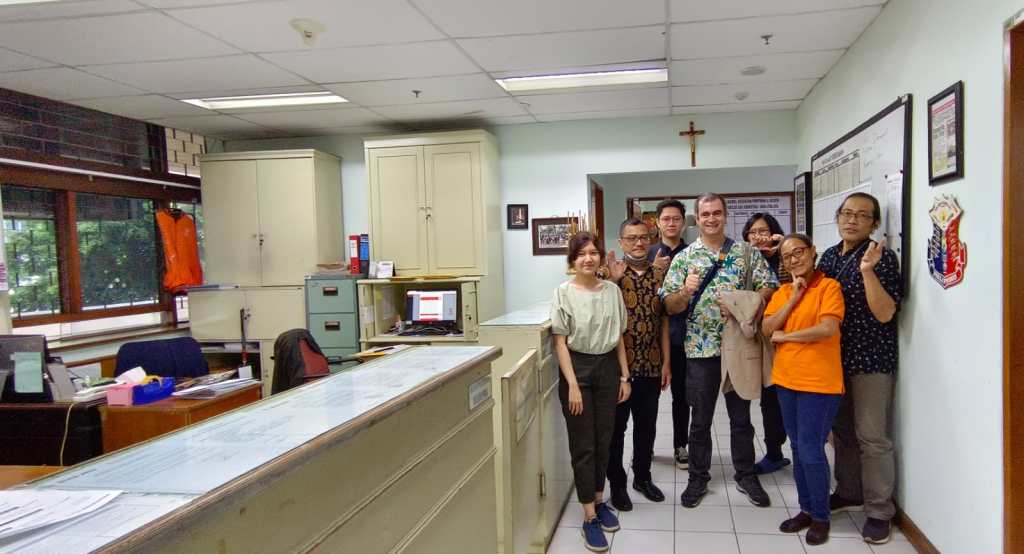
I also had pleasant and enriching discussions with students and scholars with whom I debated digital issues, multiculturalism and my educational and social life trajectories.
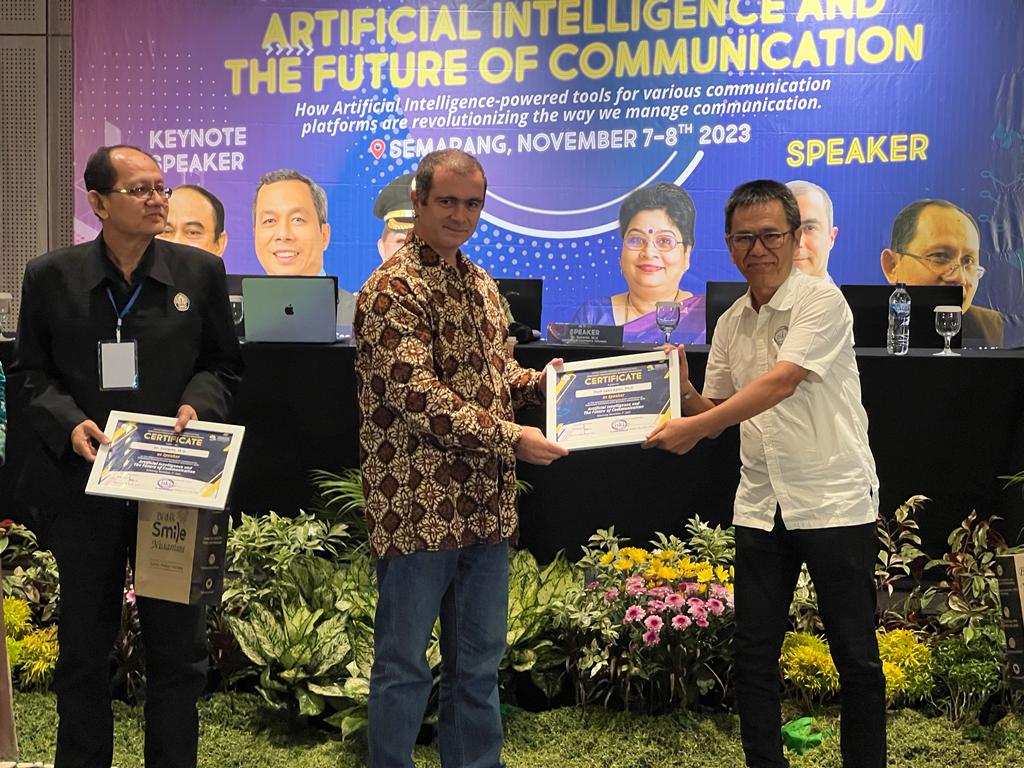
My stay at Atma Jaya was also an apportunity to participate in other activities with the Indonesian communication community: a conference on “Artificial intelligence and the future of communication” organized by the indonesian association of communication researchers (ISKI) in Semarang; a lecture on “The Internet as a crisis communication” at the Faculty of Social and Political Sciences at Universitas Indonesia; and a general lecture on “Communication, diversity and disability in cultural perspective” at Al Azhar University.
I was very glad to finish my mission with success and prepare new projects for the next year with colleagues that I learned to appreciate more and more. Yesterday FIABIKOM surprised me with a video that they produced to thank me. It touched me deeply and drew my attention to the fact that I had in Indonesia a pied-à-terre. Thank you FIABIKOM, thank you Atma Jaya. We still have a long and fruitful way to trace and walk.
Phoenicia, the Internet and the shared cultural memories
Hadi Saba Ayon
Digital technology radically reshapes the traditional methods of producing information and essential components of the digital environment. Producing calculable traces of interaction reconstructs social practices and questions sociocultural norms and legal frameworks. We speak of digital culture (Doueihi, 2011), made up of communication and information exchange modes that displace, redefine and reshape knowledge into new forms, formats and methods of acquisition and transmission. What modalities does it establish for belonging to a group, organizing it and participating in its activities? Why do we talk about memory in a complex architectural space that makes us believe in an “integral memory” automatically resulting from any action that produces traces, saved, accumulated and calculated? Can digital writing be included in the long history of writing? For Emmanuel Souchier, the “cartographic” practice dedicated to the Internet is part of the long history of writing (2008, 2013). As a result, the Web is like the “text” of the Sumerians, a universe of “traces” that we must arrange, organize, and show, a text to read and interpret, a world to discover. Thus, the history of writing and the organization and sharing of human activity teaches us the conditions of expression of humans in interaction with their environment and the power relations they establish with this occasion. We find the history of ancient Phoenicia, located along the Mediterranean coast, fascinating to compare with the history and evolution of the Internet from a political and social point of view. We cannot speak of Phoenicia as a centralized political entity but as a set of city-states that speak and write the same language (Krings, 1994), similar to what Internet users gather today. Centred around the royal palace before moving into the territory of a mercantile class and aristocratic commerce, Phoenician society, rooted in business and maritime flux, showed three classes: the free people, the semi-free people, and the enslaved people. A sociopolitical division that echoes in today’s digital society. Suppose the invention of computers cannot be dissociated from the US army’s strategy that resulted in the advent of the Internet. In that case, the network is a decentralized environment which does not recognize a single authority and model and has none. The history of the creation of the Internet and its development shows founding groups (military, academics, researchers, hippies and computer enthusiasts) and later users with abilities that vary from expertise to ignorance of their rights and the loss of freedoms. Moreover, the digital environment has developed and evolved thanks to decentralization.
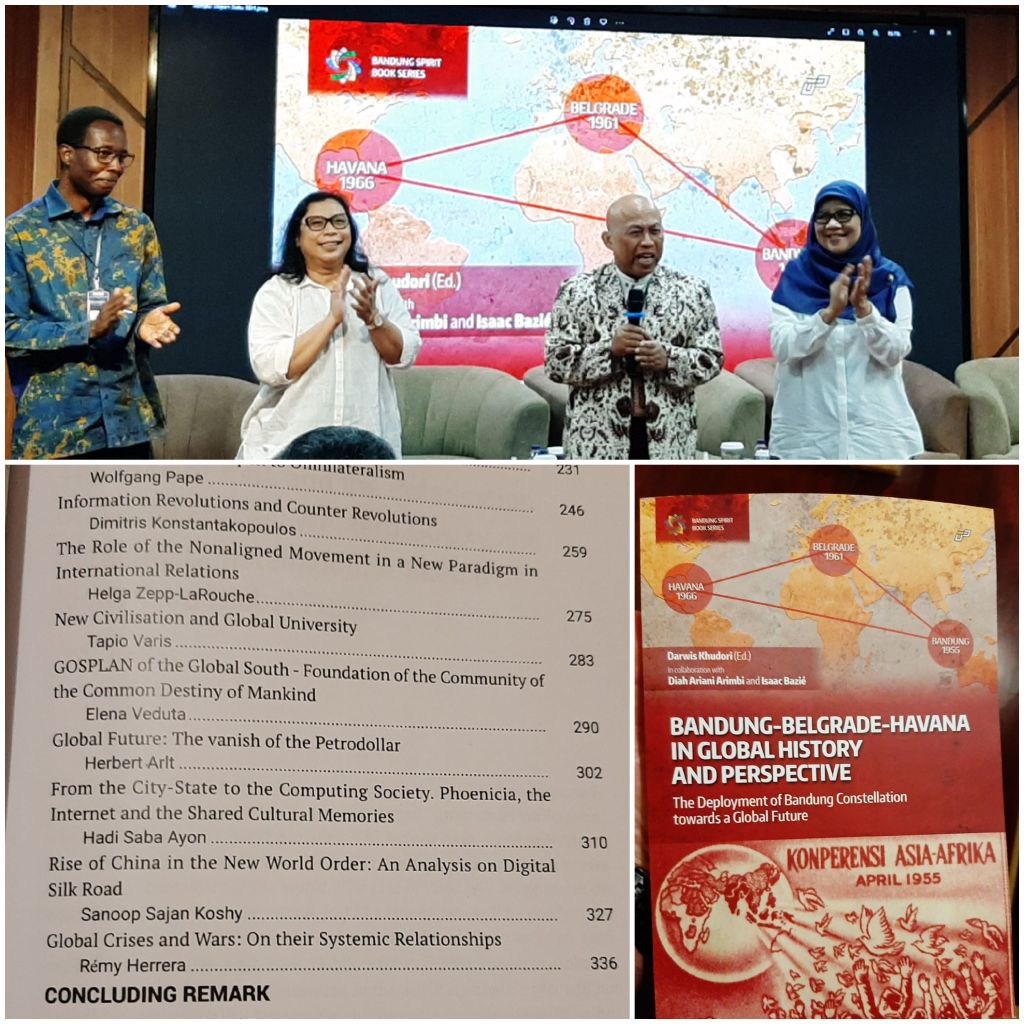
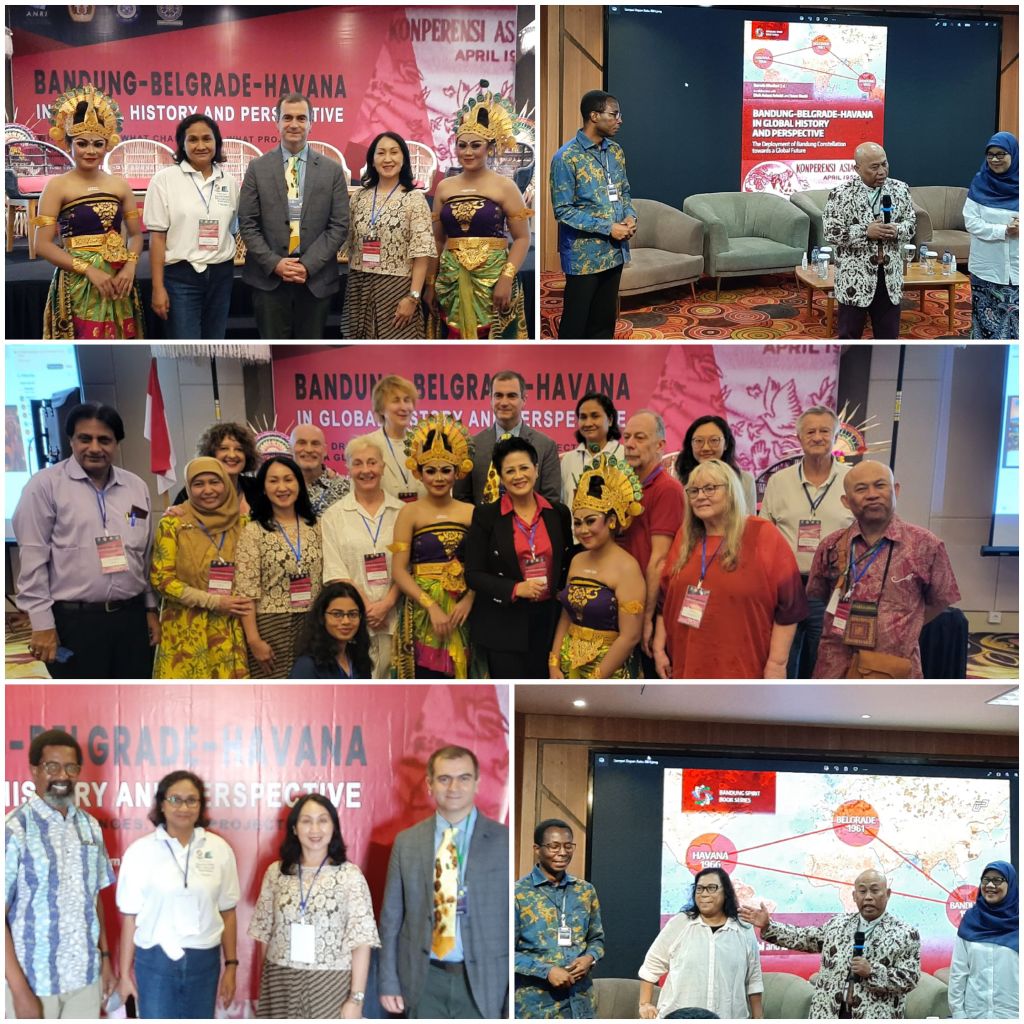
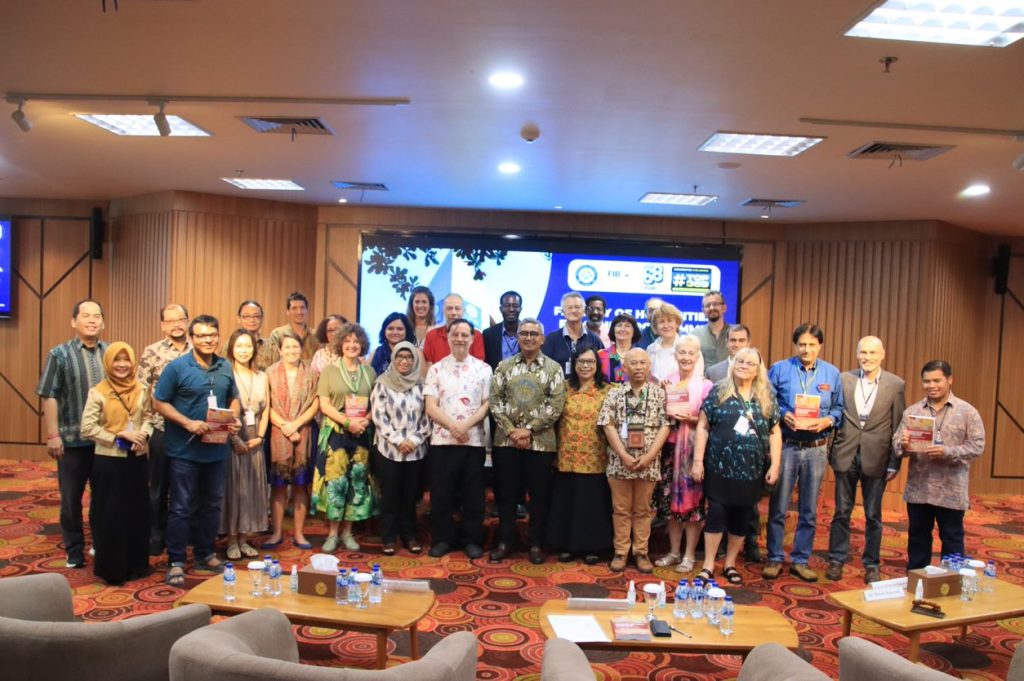
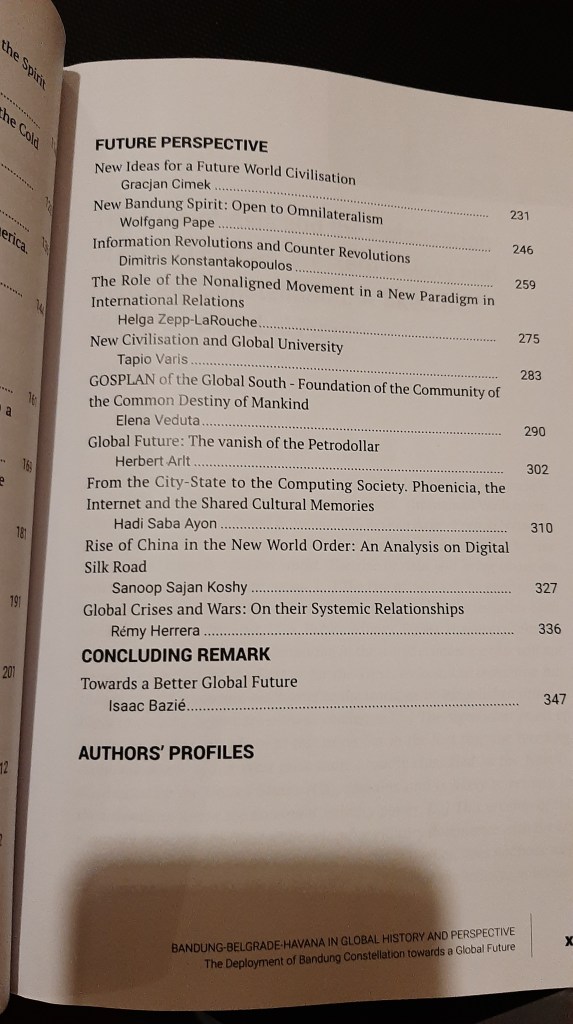
The commemorative book Bandung-Belgrade-Havana in Global History and Perspective: The deployment of Bandung Constellation towards a global future was launched during the BBH 2022 International Conference in Surabaya (Indonesia) and is edited by Darwis Khudori (Le Havre Normandy University) in collaboration with Diah Ariani Arimbi (Airlangga University) and Isaac Bazié (Université du Québec à Montréal).
To quote this chapter: Saba Ayon H. (2022). From the city-State to the computing society: Phoenicia, the Internet and the shared cultural memories, in Darwis Khudori, Diah Ariani Arimbi and Isaac Bazié (Ed.), Bandung-Belgrade-Havana in Global History and Perspective: The deployment of Bandung Constellation towards a global future. Airlangga University Press, Surabaya, p. 310-326.
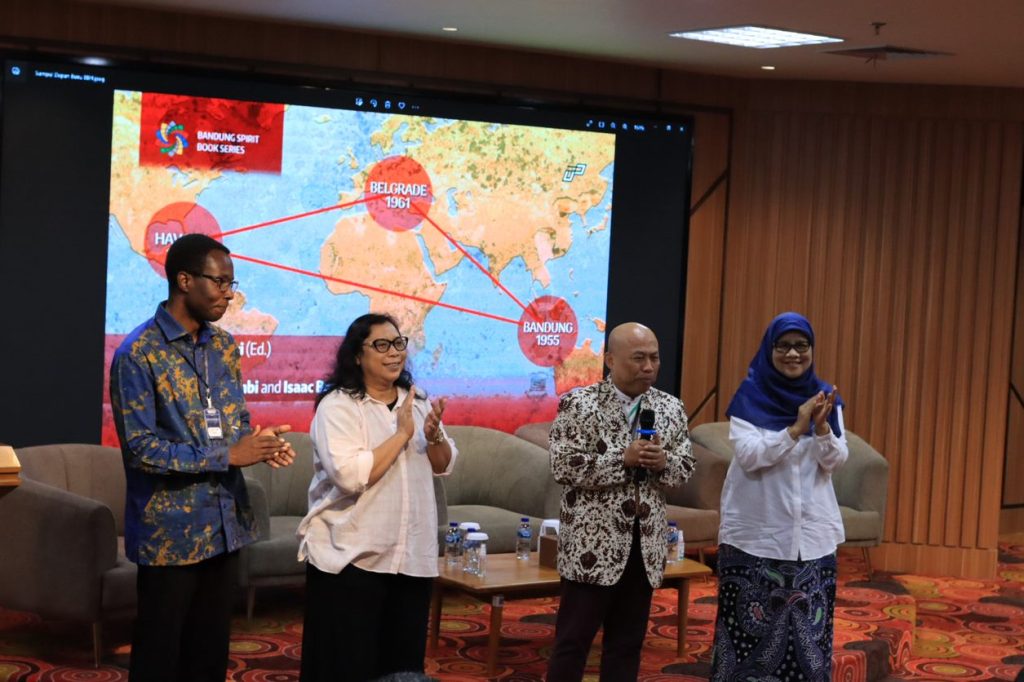
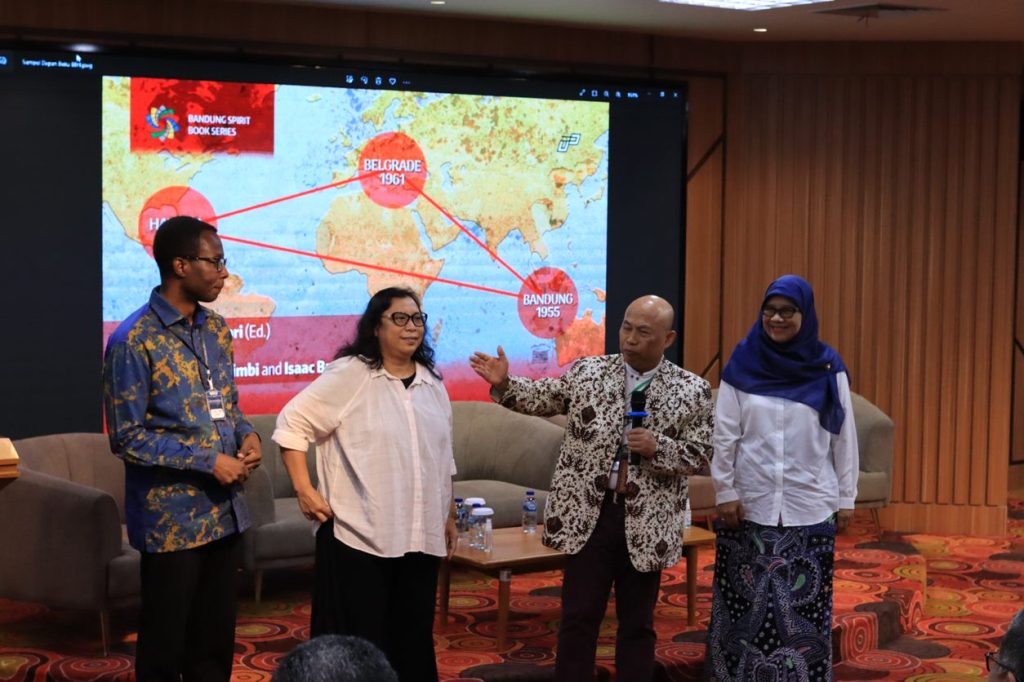
The book launch at Airlangga University in Surabaya. Darwis Khudori (ULHN), Isaac Bazié (UQAM), Diah Ariani Arimbi (Airlangga University) and Lina Puryanti (Airlangga University).





 Sabáeu
You must be logged in to post a comment.